


Introduction
Anime captivates audiences worldwide with its unique capacity to blend storytelling with art. From hand-painted landscapes to state-of-the-art digital animations, these series and films redefine visual brilliance. Join us as we explore the most stunning works from Studio Ghibli classics to modern masterpieces.
Studio Ghibli Masterpieces Unveiled: A Visual Journey
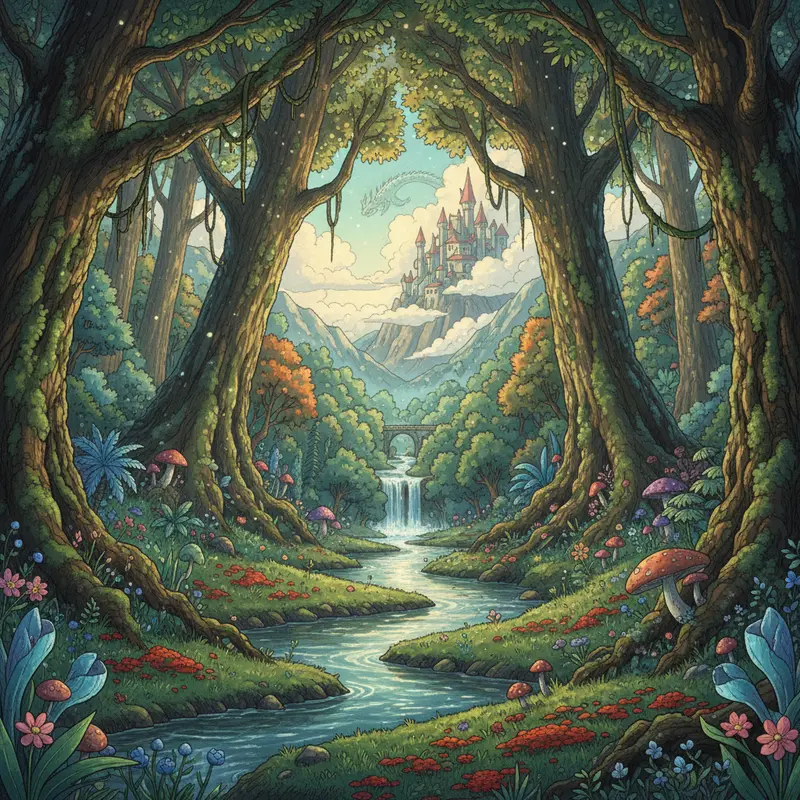
1. Princess Mononoke: Where Handcrafted Animation Meets Digital Elegance
Released in 1997, Princess Mononoke stands as a hallmark of Studio Ghibli’s commitment to the art of animation, seamlessly melding traditional hand-drawn techniques with the burgeoning technology of computer-generated imagery (CGI). Directed by the legendary Hayao Miyazaki, this film is a testament to how digital tools can complement, rather than overshadow, the craftsmanship of animators.
In creating Princess Mononoke, approximately 15 minutes of its runtime incorporated CGI—specifically in a manner that sought to enhance the hand-drawn aesthetic rather than replace it. The film’s innovative approach involved both digital ink and paint processes for about ten minutes and more sophisticated CGI elements for the remaining five. This careful integration allowed animations to maintain the warmth and authenticity of hand-drawn art while subtly infusing the precision and depth achievable through digital means.
Key applications of CGI in Princess Mononoke include the impressive 3D rendering of the Tatari-Gami’s snake-like appendages. These fluid, organic movements allowed the creature to convey a sense of depth and life that traditional methods alone might not achieve. Similarly, texture mapping was used in the film to animate moving backgrounds, providing a dynamic perspective shift that maintained visual consistency without laboriously hand-animating each frame.
Morphing technology played a crucial role in rendering scenes depicting decay and regrowth, such as the rotting effect on the Tatari-Gami and the regeneration of plant life. Transitions in these sequences are smooth and organic, testament to how CGI can bring out the best in animated storytelling when used with a delicate hand.
Beyond CGI, Princess Mononoke’s visual splendor is also attributed to the meticulous use of over 400,000 hand-drawn animation cells. These cells, colored with digital ink and paint to expedite the process while preserving detail, work in concert with the extensive hand-painted backgrounds, resulting in a film that feels vibrant and richly textured.
The film’s vibrant color palette and dynamic camera work further enhance its visual narrative, drawing audiences into its world of intricate forest landscapes and epic battles. Each frame is carefully crafted to immerse viewers in a story that, despite its fantastical elements, feels real and grounded.
Overall, Princess Mononoke exemplifies the innovative spirit of Studio Ghibli, where traditional art forms are elevated through selective digital innovation. This film remains a quintessential example of how animation can be both a visual feast and a canvas for telling profound stories. Thus, the legacy of Princess Mononoke endures, inspiring new generations of animators and audiences alike. Explore more about the trend of anime in the digital age here.
2. Howl’s Moving Castle: Enchanting Visual Storytelling
The cinematic wonder of Howl’s Moving Castle exemplifies Studio Ghibli’s unparalleled ability to blend fantasy with visual splendor, creating an immersive experience that captivates viewers with its intricate artistry and storytelling. Hayao Miyazaki’s direction in this 2004 film highlights the studio’s commitment to hand-drawn excellence coupled with innovative animation techniques that breathe life into a breathtakingly whimsical world.
Beneath the enchanting narrative of wizards, magical transformations, and moving castles, lies an exceptional use of visual dynamics that enhance the film’s storytelling. The castle itself, an amalgamation of eclectic parts brought to life through stunning animation, roams the picturesque landscapes with a distinctive personality of its own. Miyazaki captures a world teeming with life and color, meticulously crafting each frame to balance the fantastical elements with the story’s underlying themes of war and peace.
The film’s animation technique reflects a sophisticated blend of hand-drawn and digital elements, further advancing Ghibli’s legacy in innovative animation. The ethereal quality of the moving castle’s journey across verdant hills and mystical skies offers a dual symbolic representation — the transience of life and the tenacity of the fantastical spirit. This moving backdrop, coupled with masterful character animation, creates a seamless visual narrative that guides the audience through Sophie’s transformative journey.
Miyazaki’s dedication to traditional animation is evident in the detailed character designs, where each protagonist and antagonist is brought to life with meticulous expressions and movements. These details provide depth and resonance to the story, conveying emotions that words alone cannot express. Moreover, the use of digital techniques, such as CGI, is carefully restrained, ensuring that the magic remains in the craftsmanship of the hand-drawn animations. This approach ensures that technology compliments rather than overshadows the narrative and visual style.
The film’s color palette is another testament to Studio Ghibli’s attention to detail. It shifts from bright, soothing pastels in moments of peace and tranquility to somber, muted tones during scenes of conflict and uncertainty. This intentional use of color serves not just a decorative purpose but acts as an emotional barometer for the viewer, directly tying the audience’s emotional responses to the unfolding events within the film.
Furthermore, Miyazaki’s exploration of architectural whimsy does not end with the castle. The film is filled with sprawling towns and enchanting natural landscapes that feel both familiar and otherworldly. Each scene is crafted with a painterly quality that calls back to CG-filmmaking techniques seen in previous works like Princess Mononoke, yet here it blends seamlessly to produce an aesthetic harmony.
Ultimately, Howl’s Moving Castle is more than just a film; it’s a vivid tapestry that displays the seamless integration of storytelling and visual beauty. It’s the intricate melding of traditional animation methods with digital advancements that elevates this film into a category of its own, marking it as a true masterpiece of animated art. This delicate balance not only underscores the enduring value of traditional animation in a digitizing world but also highlights how Studio Ghibli continues to inspire generations of animators and storytellers alike. For fans looking for a visual treat mingled with deep narrative resonance, this film remains a pinnacle of cinematic art.
Modern Anime: A Visual Feast
1. Violet Evergarden: A Symphony of Visual Emotion
Kyoto Animation’s Violet Evergarden is a stunning exploration of visual artistry and storytelling, setting a high benchmark in modern anime for its unparalleled animation and emotional depth. Often lauded for its aesthetic sophistication, the series is as much an emotional journey as it is a visual spectacle. The show’s design, spearheaded by Akiko Takase, plays a pivotal role in transforming the animation from mere moving pictures into a deeply resonant emotional experience.
At the core of Violet Evergarden is Takase’s revolutionary approach to character design. She transformed the protagonist, Violet, from the ‘cool beauty’ of the original novels into a figure of ‘pure and innocent’ appeal. This change in aesthetic aligns beautifully with the story’s thematic exploration of self-discovery and emotional growth. By subtly refining facial features and expressions, the series humanizes its characters, inviting the viewer to step closer into their world.
The animation itself is a triumph of expressive nuances, bringing to life the tender subtleties of Violet’s journey. Animators like Seiichi Akitake and Kunihiro Hane utilize shallow depth of field and point-of-view shots to draw the viewer directly into the characters’ experiences. Such techniques elevate intimate moments, exemplified when Violet, in a poignant scene during episode 6, connects with another character through a simple but profound shift in her gaze.
Color and lighting in the series are meticulously crafted to accentuate the emotional weight of each scene. The art team employs a unique color grading method, infusing shadows with hues that reflect their environment. This choice adds layers of realism, making the series’s settings vibrate with life. Director Taichi Ishidate and colorist Imazuka skillfully adjusted to the demands of HDR technology, ensuring that the aesthetic experience maintains its intended emotional depth, particularly in the series’ cinematic adaptation.
What truly sets Violet Evergarden apart is its storytelling through animation. The series uses visual cues rather than dialogue to convey complex emotional states, allowing viewers to intimately feel Violet’s gradual awakening to her own emotions. As Violet’s character becomes more responsive to her world, her animated expressions grow more dynamic yet remain gracefully restrained, mirroring her internal struggle and eventual emotional evolution.
In sum, Violet Evergarden is a brilliant demonstration of what anime can achieve as an evocative art form. Its animation is not only an aesthetic pleasure but a vital component of its storytelling. It underscores the tremendous potential of anime to move audiences and remain a staple influence in modern animation. This series stands as a testament to the enduring power of visual storytelling and its capacity to connect deeply with viewers across the globe. For anyone inspired by the artistic possibilities of animation, it’s a masterpiece that demands appreciation and contemplation.
2. Violet Evergarden: Emotion Painted in Animation
Violet Evergarden is a visual symphony that epitomizes the pinnacle of artistry in modern anime. The series unfolds like a meticulously painted canvas, where every brushstroke is imbued with emotion, capturing the heart of anyone who gazes upon it. This is where the true beauty in animation is revealed—not just in the clarity of images but in the soul-stirring depth of every scene.
Kyoto Animation, the maestro behind this masterwork, has choreographed a spellbinding experience through its meticulous art direction and sophisticated animation techniques. Each character design by Akiko Takase is a testament to this attention to detail. The characters, especially our stoic yet deeply human protagonist Violet, are crafted with precision, mirroring the rich Victorian-Era settings that surround them. Such artistry creates not just an aesthetic delight but a compelling emotional narrative, allowing viewers to engage intimately with Violet’s journey.
The mastery of this series extends to its expert use of depth of field, a technique wielded with great finesse to direct focus and invoke a dreamlike quality. This seamless blend of sharp character focus against gently blurred backgrounds not only accentuates the nuances in Violet’s expressions but draws the audience into a narrative space where emotion is palpable. The viewer is not merely an observer but a part of Violet’s world, connecting through her eyes and expressions.
Violet Evergarden shines through its innovative use of color and lighting. The production team proceeds to weave tonality into storytelling, using warm hues to highlight the complexity of emotions in play. This range of color work, from soft yellows to rich browns, serves as a vessel for the emotional tides that carry Violet forward—a vibrant palette that breathes life into the narrative, providing visual context and poignancy.
Additionally, the show’s animation benefits from the unique technique of using soft, thin outlines. These outlines dissolve the divide between the character and their surrounding environment, creating an integrated visual tapestry. This subtly encourages viewers to see beyond mere animation; it invites them to immerse themselves entirely into the world, experiencing the narrative flow as cohesive and uninterrupted.
Behind this elegant portrayal are key animators and directors, including the likes of Yui Ishikawa giving life to Violet’s character with nuanced vocal performances. Their work marries the visual elegance with emotional intelligence, ensuring that each frame conveys the profound subtleties of Violet’s evolution. The animation direction seeks expression even in silence, allowing Violet’s character to speak volumes with just a look or a hesitant smile.
In summary, Violet Evergarden does not just display animation—it transforms it into an artistic expression. Through detailed character animation and sophisticated visual techniques, Kyoto Animation has created a world where contemplation, beauty, and emotion coalesce. It is a series that raises the bar for what anime can achieve, an unmissable experience that resonates on every level of craftsmanship and storytelling. For more insights into why anime such as this captivate global audiences, explore our analysis of anime trends and their dominance.
Artistic Adventures: Unique and Experimental Visual Styles in Anime
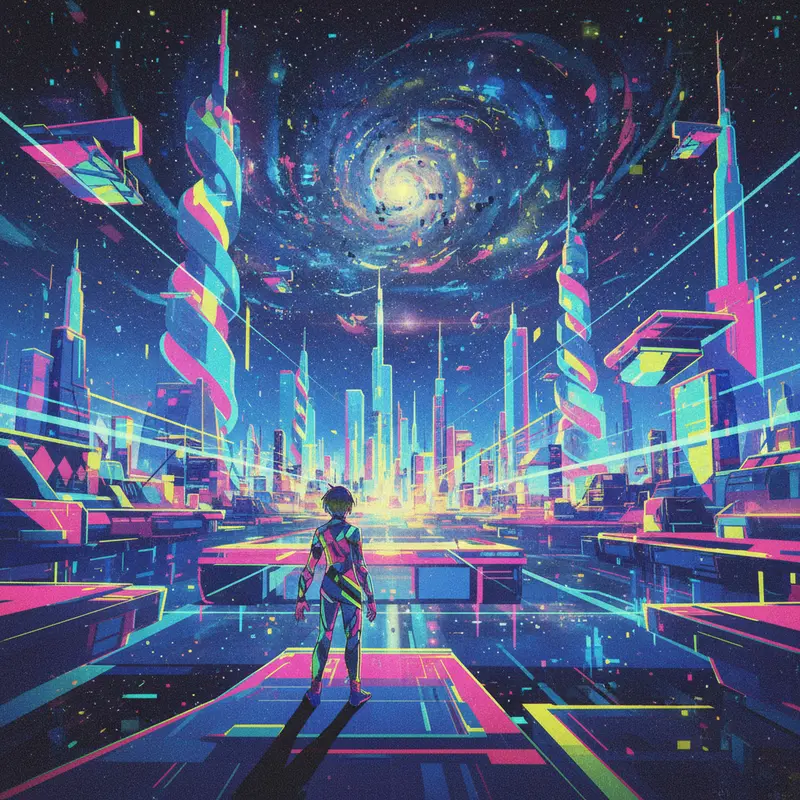
1. Promare: A Visual Odyssey of Boldness and Innovation
In the realm of anime, where creativity knows no bounds, Promare emerges as a beacon of visual audacity. This 2019 sci-fi action spectacle, co-produced by Studio Trigger and XFLAG, encapsulates the very essence of what it means to defy conventional animation practices. Directed by Hiroyuki Imaishi and penned by Kazuki Nakashima, both of whom have left an indelible mark on the anime landscape with works like Gurren Lagann and Kill la Kill, Promare stands as a testament to their vision of unbridled energy and inventiveness.
At its heart, Promare transports audiences into a future forged by flame, 30 years after the Great World Blaze. This catastrophic event races through the globe, altering humanity as some individuals metamorphose into the Burnish—fire-wielding mutants. Here, the narrative follows the valiant journey of Burning Rescue, led by the fiery and fearless Galo Thymos. As they battle the Burnish using cutting-edge technology and colossal mechas, the story unravels a riveting tapestry of high-octane action and underlying emotion.
What renders Promare a peerless experimental visual odyssey is its innovative animation style, a harmonious amalgamation of 2D and 3D techniques that conjure up breathtaking spectacles of color and movement. The mech battles defy physics with flamboyance, creating a realm where the vibrant and the surreal coalesce seamlessly. Saturated purples and pinks flood the screen, each hue contributing to a sensory extravaganza that encapsulates the wild and fiery motif. Such a palette not only elevates the aesthetic but also sets Promare apart in an ocean of anime visuals.
Beyond its explosive color scheme, Promare thrives on a fast-paced, adrenaline-infused narrative. The film’s brisk tempo flings audiences into a whirlwind of relentless action, defying the more tempered storytelling approaches typically favored in cinema. Here, cinematic convention bows to the supremacy of kinetic excitement, making for an exhilarating viewing experience that keeps pulse rates soaring from start to finish.
The brilliance of Promare lies in its ability to parody clichés while imbuing them with life and heart. This stylistic parody is evident as the narrative dances between self-aware humor and deep-seated emotion, illustrated poignantly in the dynamic clash between protagonist Galo and antagonist Lio. Their conflict transcends mere spectacle, inviting viewers to explore character depths amidst the visual frenzy.
Critics and fans alike laud Promare for its bold artistic strides, often describing it as a “visual thrill ride”—a narrative rollercoaster that redefines the limits of anime (source). Despite adhering to some dystopian tropes, its vibrant execution and subtle emotional undertones craft an experience that feels freshly innovative. Promare not only celebrates the essence of anime as a visual medium but also pushes those boundaries, offering a unique and unforgettable journey through the fire-lit landscapes of imagination.
2. Promare: A Kaleidoscope of Fire and Imagination
In the vibrant, ever-evolving landscape of anime, Promare stands out as an exhilarating testament to artistic ambition and experimental visual style. Released in 2019 by Studio Trigger, under the direction of Hiroyuki Imaishi, this film challenges audiences with a sensory overload of color, action, and emotion that redefines the boundaries of anime.
A Visionary Explosion of Color
Promare launches its audience into a fiery fusion of 2D and 3D animation, embracing a bold and audacious visual aesthetic that is both a tribute to and evolution of Studio Trigger’s established style. Known for prior works like Gurren Lagann and Kill la Kill, the studio hones its craft in Promare, creating a spectacle where excessive flair becomes a vehicle for narrative excitement rather than a mere backdrop. Neon hues dominate the screen, with striking pinks and reds igniting scenes that blur the line between chaos and visual poetry. The characters, exaggerated in both form and function, move with a rhythm that defies physics, yet flows naturally within the film’s universe.
Challenging the Status Quo
Studio Trigger has always been synonymous with pushing creative boundaries, and Promare encapsulates this ethos with its challenging visual style. The film’s self-awareness—a hallmark of Trigger’s trademark storytelling—flirts with anime conventions while humorously overturning them. It’s a risky endeavor where visual excess is not merely ornamental but serves as an intentional element of storytelling. This is anime craftsmanship aware of its medium’s conventions, boldly parodying yet celebrating them. As viewers are swept up in this kaleidoscope of fire and flair, the narrative conversations about order versus chaos, and understanding versus prejudice, unfold with intensity and vigor.
Thematic Underpinnings
Set against the backdrop of a futuristic Japan, the movie narrates the conflict and, ultimately, collaboration between firefighters and fire-wielding mutants called the Burnish. It’s a narrative tapestry that weaves together themes of survival, identity, and societal misunderstanding, layered beneath its frenetic visual display. Characters like Galo Thymos and Lio Fotia represent opposing ideologies, but through the vibrant animation, their journey becomes a compelling visual metaphor for resilience and unity. Although the plot occasionally meanders through its ambitious themes, the relentless pace ensures that audiences remain engaged, driven as much by visual dynamism as by character development.
Influence and Innovation
The impact of Promare resonates beyond its narrative, inspiring a reevaluation of what anime can be in the digital age. It stands as a monument of visual inventiveness, showcasing a seamless blend of traditional and cutting-edge animation techniques. Critics have rightfully lauded it as a refinement of the established ‘Trigger Formula’, with some positing that it surpasses the inspirations that fuel its creative fire. In a world where anime often gravitates toward the safe and formulaic, Promare dares to showcase an untamed radiance, sparking both wonder and debate among audiences and critics alike.
Promare illustrates the limitless potential of anime to challenge perceptions and captivate with its artistry. It invites viewers to reconsider the possibilities of storytelling through a visual medium, embracing both the story and the spectacle in a unique marriage of form and content. For fans of Studio Trigger and those curious about the future of anime, this film is an essential exploration of boundless creativity and engaging narrative energy.
For more on how anime continues to captivate and innovate, you might find interest in exploring how anime trends continue to dominate.
Final Thoughts
In the realm of anime, visual artistry transcends traditional storytelling, crafting worlds that are both visually stunning and emotionally compelling. These extraordinary series and films continue to inspire and captivate, reflecting the boundless creativity that defines the anime medium.
Level up your style with anime-inspired sneakers, apparel, and accessories. At Otaku Sneakers, every piece is crafted to help you express your fandom with confidence and originality. Don’t settle for ordinary fashion—stand out with designs made for true fans. Ready to step into your world? Click below and discover your next favorite items. Shop now!
About Us
Otaku Sneakers was created from the growing passion for personalized anime merchandise — unique items that let every fan express who they truly are. Our store makes customization simple, allowing you to personalize products with your style, your fandom, and the designs you love.