

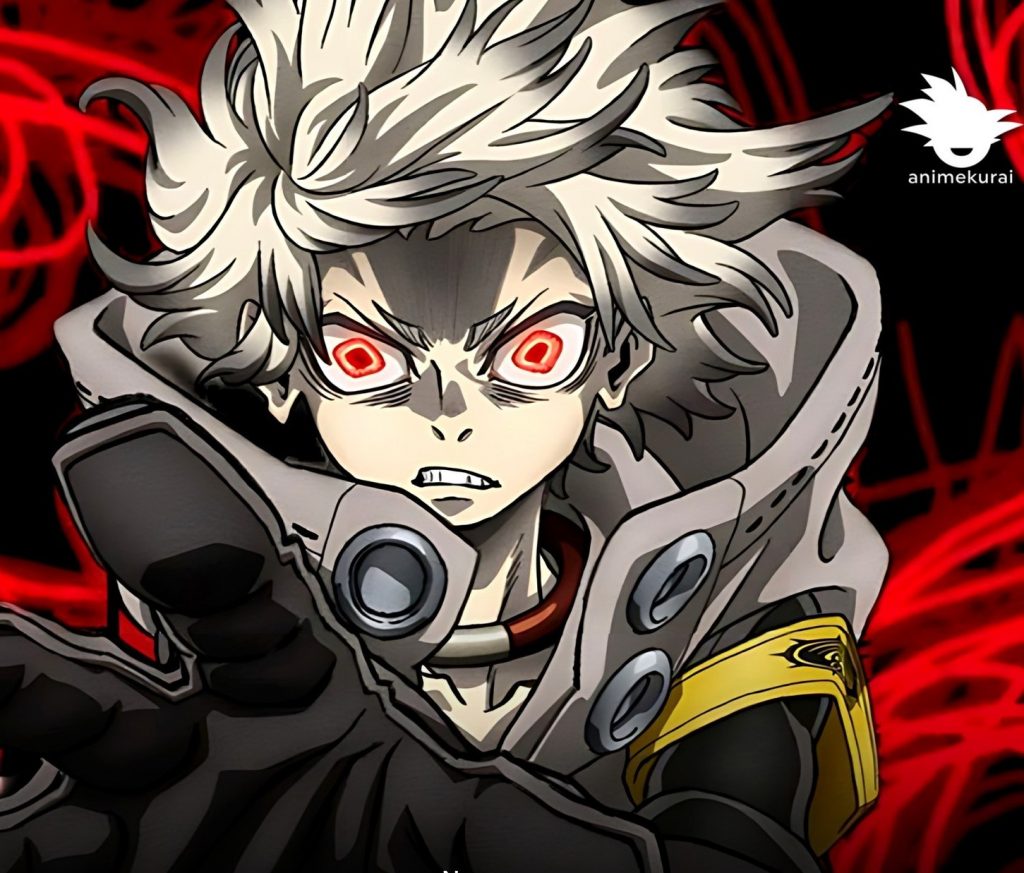
Gachiakuta has emerged as a standout series in the anime and manga community, captivating audiences with its dark fantasy setting and thought-provoking themes. Unlike typical shonen manga, Gachiakuta dives deep into issues of social inequality and environmental collapse, offering a raw and gritty narrative that challenges conventional storytelling. This article delves into the elements that make Gachiakuta a powerful commentary on societal woes while maintaining the thrilling action that fans love.
Unearthing Dystopia: Inequality and Waste
.jpg)
In Gachiakuta, a world of stark contrasts unfolds with penetrating clarity. Kei Urana’s dark fantasy manga, adapted by Bones studio, uses its dystopian setting to critique social inequality and environmental collapse. The narrative is grounded in a world where the Sphere—a floating utopia—houses the elite behind opulent walls, while below in the slums, descendants of exiled criminals known as “tribesfolk” suffer in poverty. The power imbalance is visually dramatic, where pristine luxury clashes with the filth of the marginalized, amplifying the themes of injustice.
Gachiakuta’s exploration of class is merciless. Protagonist Rudo, living in the shadows of the affluent, scavenges the upper class’s discards, mirroring the societal disregard for his kind. When falsely accused of murder, his punishment without trial—being cast into “The Pit,” a vast garbage expanse—embodies systemic oppression. This brutal caste system dismisses any notion of merit or justice, highlighting an inherited stigma where crimes of the past stain the innocent generations.
“Trash monsters,” born of this refuse, serve as a menacing consequence of unchecked materialism. The concept of objects having value, or “souls,” in Rudo’s view criticizes the upper class’s destructive consumerism, making environmental themes an integral part of the series’ critique. Gachiakuta deftly navigates between these realms, offering an unvarnished look at societal malignancies through its richly detailed world and emotional depth.
Reimagining Shonen: A Dark Twist on Heroism

Gachiakuta challenges the shōnen genre with its profound exploration of societal injustice, transcending typical narratives of individual valor. The familiar contours of a classic shōnen tale—where a disenfranchised protagonist battles adversity—serve merely as the foundation for a more disruptive exploration of social hierarchies and exclusion. This dark fantasy uses familiar elements like mysterious powers and disgraced mentors while embedding them within a harsh critique of a society divided not just by talent, but by entrenched systemic inequality.
The thematic divergence becomes evident in its vivid portrayal of vertically segregated societies. Rather than focusing on personal growth or Rudo’s rise through sheer will, Gachiakuta drives its narrative through an interrogation of the structures that perpetuate marginalization. Rudo’s journey transforms from personal revenge to a broader quest against societal injustices—reflecting a more realistic and mature shōnen journey.
Artistically, Gachiakuta subverts genre conventions with its “charcoal-like, dynamic” linework, intensifying the series’ moral gravitas. Urana’s art enhances the story’s narrative intensity, making the characters’ emotional and social struggles as visually gripping as the action sequences. This innovation extends to the supernatural elements, where powers derived from discarded objects tie directly back to the socioeconomic divisions within the world.
Unmasking Humanity: Intricate Character Development

In the grim world of Gachiakuta, character evolution serves as a linchpin for the narrative’s depth. At the story’s core is Rudo Surebrec, whose tumultuous journey is not merely a vengeance-fueled quest but a deliberate unraveling of his own humanity. Initially portrayed as a wrathful outcast, Rudo’s motivations are deeply rooted in personal betrayal. His transformation begins through tenuous alliances with the Cleaners, where he learns the power of connections in overcoming despair.
Rudo’s character arc echoes narratives like Berserk, where the hero must navigate moral ambiguity. His growth highlights the nuanced exploration of human flaws and the potential for redemption. Supporting characters like Amo Empool further enrich the narrative by showcasing personal trauma’s impact, signifying both individual resilience and the continuing struggle against systemic oppression.
Final Thoughts
Gachiakuta stands out as a bold narrative in the anime world, refusing to shy away from the complexities of societal issues. Its exploration of social inequality, environmental threats, and character-driven storytelling captivates audiences who seek both action and substance.
Love Anime Culture?
Check out the latest anime sneakers and apparel at our store.
About Us
We are dedicated to bringing you the latest insights into the world of anime and manga culture.