


Anime has become more than just a genre—it’s a storytelling sensation that has captivated the world. From thrilling adventures to psychological masterpieces, certain series stand head and shoulders above the rest, marking themselves as must-watch experiences. We’ve compiled a list of the top 10 anime series that no fan should miss. Let’s dive into these masterpieces that have contributed significantly to the anime universe.
Attack on Titan: The Modern Epic Redefining Anime Legends
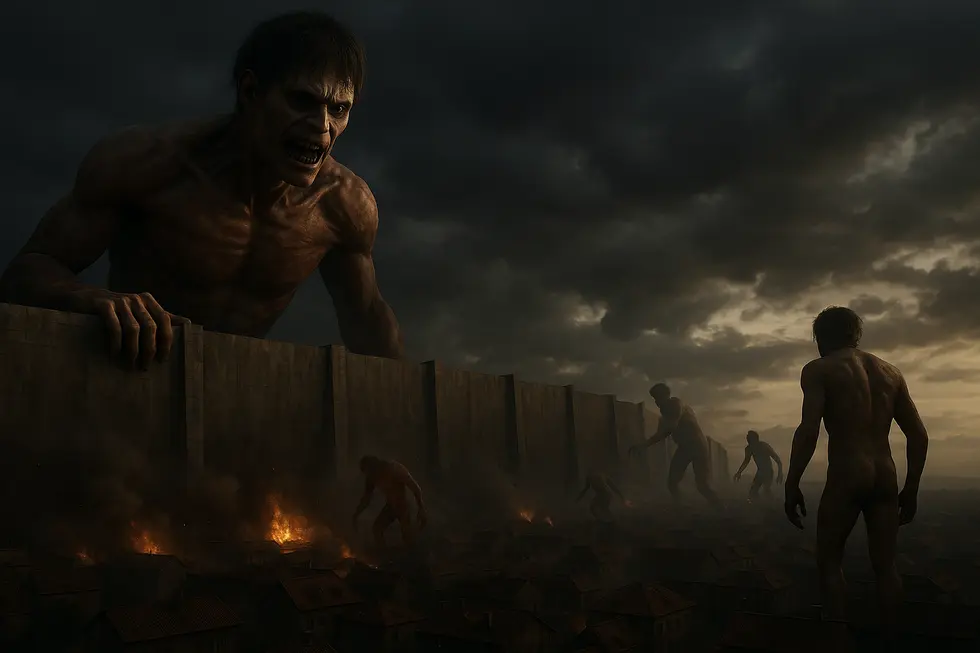
Attack on Titan (Shingeki no Kyojin) stands as a modern classic within anime, known for its gripping narrative, complex characters, and exploration of mature themes such as war and identity. Following Eren Yeager’s journey, alongside Mikasa and Armin, we witness a world besieged by monstrous Titans, prompting humanity’s desperate fight for survival. The initial catalyst—Titans’ brutal attack on Eren’s hometown—not only forges Eren’s vow for revenge but also escalates into a richly layered narrative rife with mysteries about Titans and their origins. Over the series, expected shonen tropes are subverted with dark philosophical inquiries and character-driven drama, creating an emotionally charged storytelling experience.
One of Attack on Titan’s defining features is its complex characters, such as Eren’s evolution from revenge-driven youth to a morally conflicted figure challenging common notions of heroism. Characters like Reiner offer a glimpse into internal struggles and loyalty’s dual nature. Additionally, the series delivers epic storytelling, blending action, tragedy, and political drama across pivotal arcs, ensuring continuous suspense and intrigue. Its innovative world-building, revealed through layered mysteries like Titans hidden within protective walls and the dynamics of Titan Shifters, elevates the narrative from a simple monster tale to a sophisticated commentary on societal structures (source).
Visually, Attack on Titan captivates with dynamic combat scenes and atmospheric direction, especially under Tetsurō Araki’s stewardship during the early seasons. This potent combination of narrative and animation has helped cement its status as a cornerstone of anime culture, influencing and inspiring a global audience since its 2013 debut. For those venturing into anime, it remains a highly recommended series bridging the gap between traditional anime genres and modern storytelling.
For more insights into how cultural phenomena like Attack on Titan have shaped modern anime trends, check out why anime dominates entertainment.
Fullmetal Alchemist: Brotherhood – An Epic Tale of Redemption and Truth
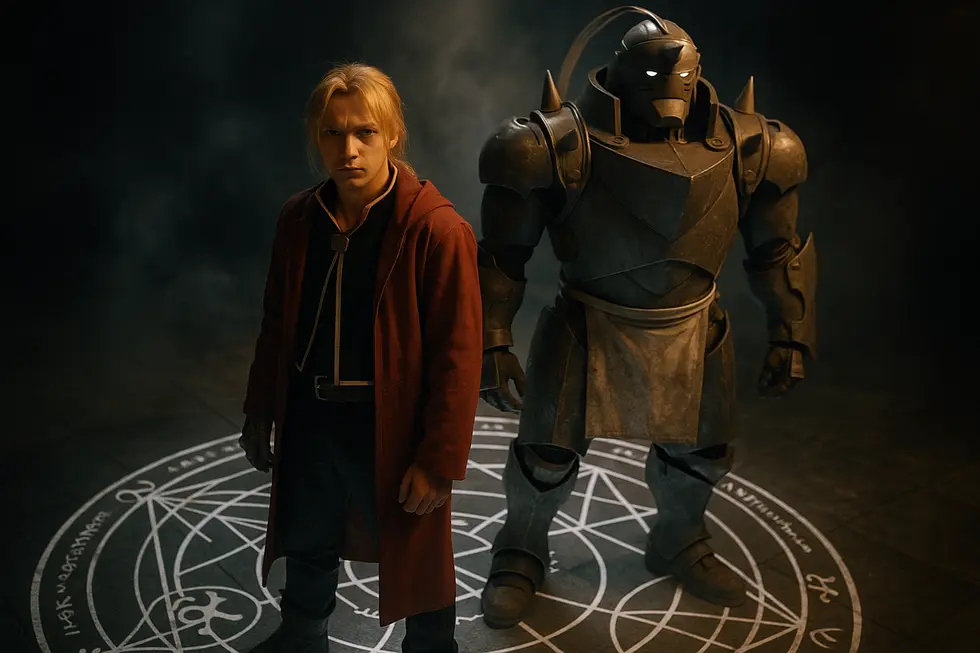
Fullmetal Alchemist: Brotherhood stands as a monumental achievement in anime production, exemplifying masterful storytelling and faithful adaptation of its original manga. The journey of the Elric brothers—Edward and Alphonse—delves into deep philosophical themes, exploring the consequences of their catastrophic attempt at human transmutation. This pivotal moment underscores the series’ central theme: the law of equivalent exchange.
After receiving automail prosthetics from their childhood friend Winry, the brothers embark on a quest for the Philosopher’s Stone, believing it holds the key to restoring their bodies. Their journey unveils a sprawling world with a complex cast, each bearing unique motivations. The brothers encounter conspiracies, government corruption, and the elusive homunculi, each revelation deepening their understanding of sacrifice and the true nature of the Philosopher’s Stone.
Brotherhood distinguishes itself with its layered narrative, weaving personal tragedy with political intrigue. The series examines themes of humanity, ethics in scientific pursuits, and moral compromises, as exemplified by the tragic tales of characters like Nina and Alexander. The convergence of fate sees pivotal characters drawn into the Nationwide Transmutation Circle, with themes of redemption and the balance of power culminating in a grand, transformative conclusion.
Its commitment to intellectual storytelling and emotional depth ensures Fullmetal Alchemist: Brotherhood’s enduring acclaim, making it a must-watch masterpiece in the anime realm. This intricate weaving of character development and narrative coherence exemplifies why it remains influential. For more on the rise of anime in popular culture, visit anime trending explained.
The Epic Odyssey of One Piece: A Legendary Adventure in Anime
One Piece, a monumental achievement in anime history, has captivated global audiences since its debut in 1999. With 1,148 episodes and counting, this series continues to enchant viewers with its boundless imagination and rich storytelling. Created by Eiichiro Oda and animated by Toei Animation, One Piece follows the thrilling journey of Monkey D. Luffy and his ensemble of Straw Hat Pirates in their quest to find the legendary One Piece treasure and crown Luffy as the Pirate King.
This continuous epic adventure combines action, adventure, and profound character development, making it a staple in anime culture across generations. While not the absolute longest by episode count, its status as the longest-running adventure anime is undisputed. Herein lies One Piece’s magic: its ability to intertwine serialized storytelling with episodic content, creating an expansive yet inviting world for both seasoned fans and newcomers.
Besides its compelling narrative, One Piece challenges genre norms, offering a broad aesthetic appeal from vibrant seascapes to dynamic fight scenes. Its cultural impact extends beyond anime and into greater pop culture, fostering a community of devoted fans. As it progresses, One Piece promises a continually evolving saga, ensuring its place among the Top 10 Must-Watch Anime of All Time. For those interested in the broader appeal and crossover with fashion, visit Streetwear Meets Anime.
Explore more about its epic scope and how it shaped anime on Wikipedia.
Cowboy Bebop: Breaking Boundaries in Space Western Animation
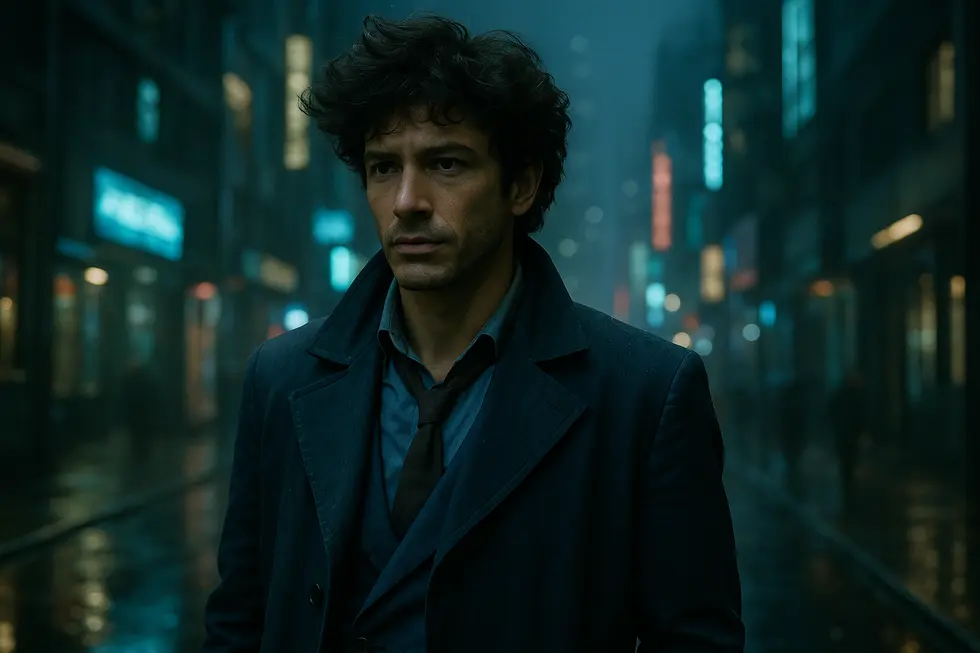
Cowboy Bebop stands as a revolutionary force in the anime landscape by redefining the space western genre. Directed by Shinichiro Watanabe, the series uniquely interlaces film noir, action, and jazz influences, creating a mesmerizing narrative.
Cowboy Bebop’s brilliance lies in its genre fusion. By blending space westerns with film noir and action-drive elements, the anime extends beyond traditional boundaries, embracing a cosmopolitan aesthetic. Its urban settings and cyberpunk-inflected metropolises form a striking contrast to the typical space frontier.
Despite pulsating action and witty humor, Cowboy Bebop’s thematic depth captivates with explorations of past inescapability, life’s meaning, and mortality. The Bebop crew, each grappling with personal histories, adds layers of emotional complexity, transforming an action-centric series into a philosophical odyssey.
Yoko Kanno’s jazz-infused soundtrack elevates the storytelling by doing more than merely accompanying scenes; it enriches them emotionally, proving essential to the series’ identity as “Space Jazz.” This powerful synthesis of music and narrative enhances the show’s character-driven episodes.
Declaring “The New Genre shall be called Cowboy Bebop,” the series has influenced the genre with its expansive vision. It illustrates that effective genre-blending occurs through artistic coherence, impacting creations in anime and beyond.
For more insights into anime’s impact on culture, explore more here.
Death Note: Descending into the Abyss of Power and Morality
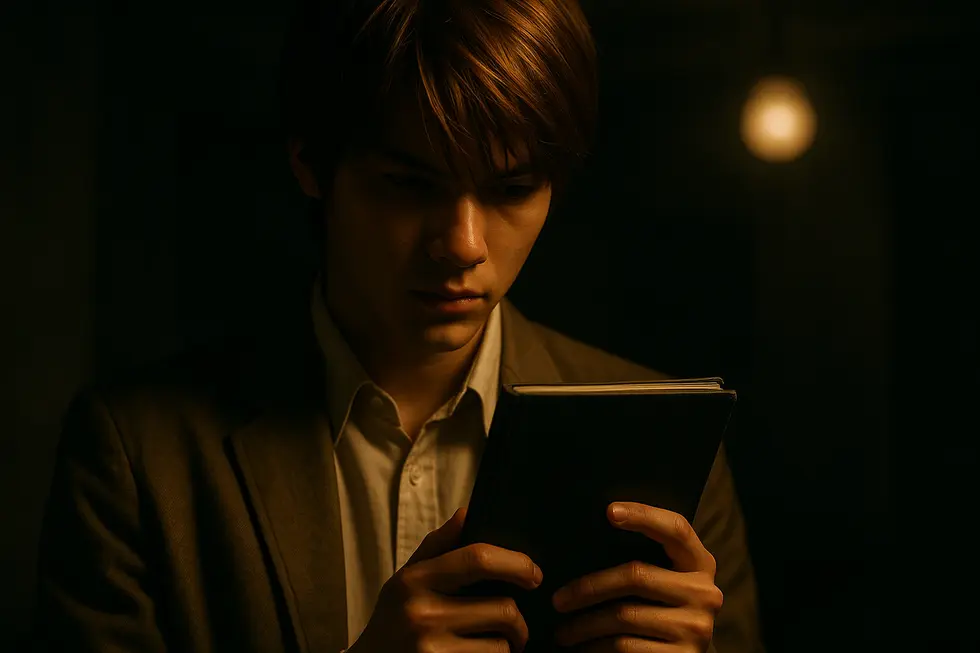
Death Note stands as a beacon of psychological thriller anime. Created by Tsugumi Ohba and illustrated by Takeshi Obata, its remarkable plot, complex characters, and its exploration of justice and power engages viewers worldwide. At the heart of Death Note is the chilling premise of a supernatural notebook, the ‘Death Note’, which allows its user to end a life merely by writing a name. Light Yagami, a high school student, discovers this notebook and, envisioning himself a deity of justice—Kira—sets out to eliminate evil. This surreal object catalyzes a psychological exploration far beyond the initial supernatural setup, delving into Light’s transformation and the profound moral conflicts arising from unbridled power. Central to Death Note is the duel between Light and L, an enigmatic detective. Initially driven by a utopian vision, Light spirals into megalomania, while L’s eccentric brilliance contrasts sharply. Their intellectual rivalry resembles a high-stakes chess match, drawing viewers into their minds as they navigate the blurred lines of justice and morality. The series is acclaimed for its moral ambiguity, challenging viewers with questions of justice and vigilantism, pushing a dialogue on ethics in a thought-provoking manner. Light’s descent from idealist to manipulator is a masterclass in character development. His psychological journey mirrors other characters’ evolutions, highlighting the personal toll of power and isolation. Stylistically, Death Note sets itself apart with its realistic art and atmospherically dark tone. The minimalistic designs and evocative music heighten tension, distinguishing it in the genre. Its legacy endures, influencing many psychological thrillers with its fusion of suspense and philosophical inquiry. Ultimately, Death Note is not just about a deadly notebook; it’s a deep dive into the human psyche’s darkness. For further insights into how anime shapes culture, visit Anime Trending Explained: Why Anime Dominate.
Dragon Ball Z: The Gateway to Anime’s Global Influence
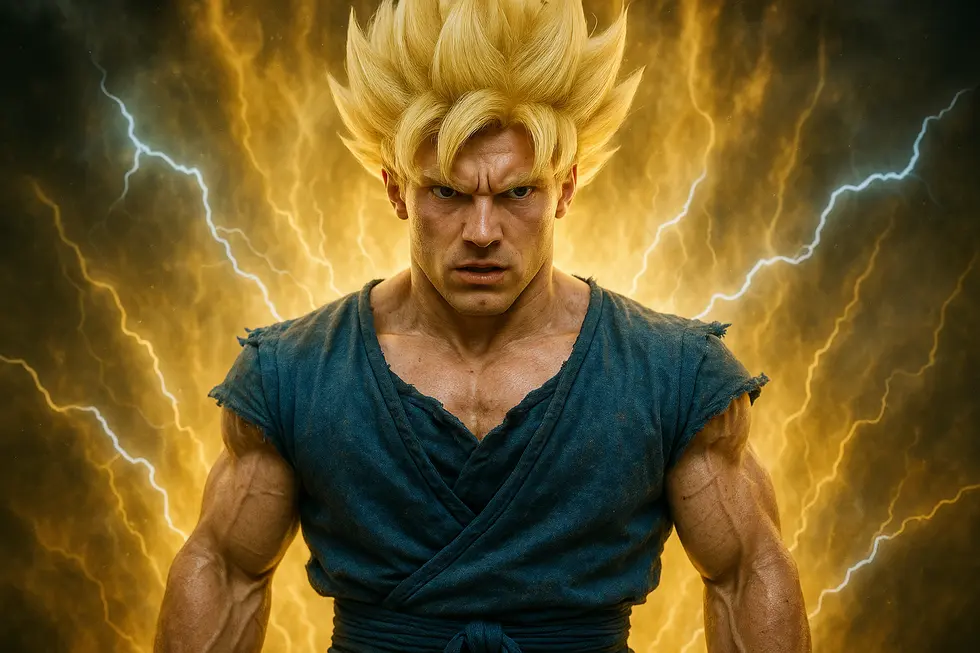
Dragon Ball Z stands as a monumental figure in anime history, marking the entry point for countless Western audiences to the world of Japanese animation. With its debut on Cartoon Network’s Toonami, the series became a cultural phenomenon, gathering millions of viewers and setting the stage for the rise of anime in the West[^1^]. Its strategic broadcast timing allowed it to compete with mainstream juggernauts, showcasing the appeal and potential of this medium.
The series’ influence stretches far beyond its initial release, as it played a crucial role in defining the shonen genre. Iconic for its epic fight scenes and transformative moments, Dragon Ball Z established a narrative and visual template that artists like Eiichiro Oda (One Piece) and Masashi Kishimoto (Naruto) continue to draw inspiration from[^3^]. This pervasive influence underlines its foundational presence in the creation of future shonen works.
Moreover, Dragon Ball’s serialized storytelling approach anticipated trends in media consumption, influencing formats beyond anime, notably in American live-action series during the ‘Peak TV’ era[^3^]. Beyond storytelling, its impact spanned into gaming and combat sports, with developers emulating visual techniques like chi energy depiction, a staple of Dragon Ball’s legacy. This anime not only shaped a genre but also bridged cultural gaps, establishing anime as a formidable component of global entertainment.
For more on how anime has integrated into modern culture, check out anime’s dominance in pop culture.
Hunter x Hunter: Unraveling the Complexities of a Shonen Masterpiece
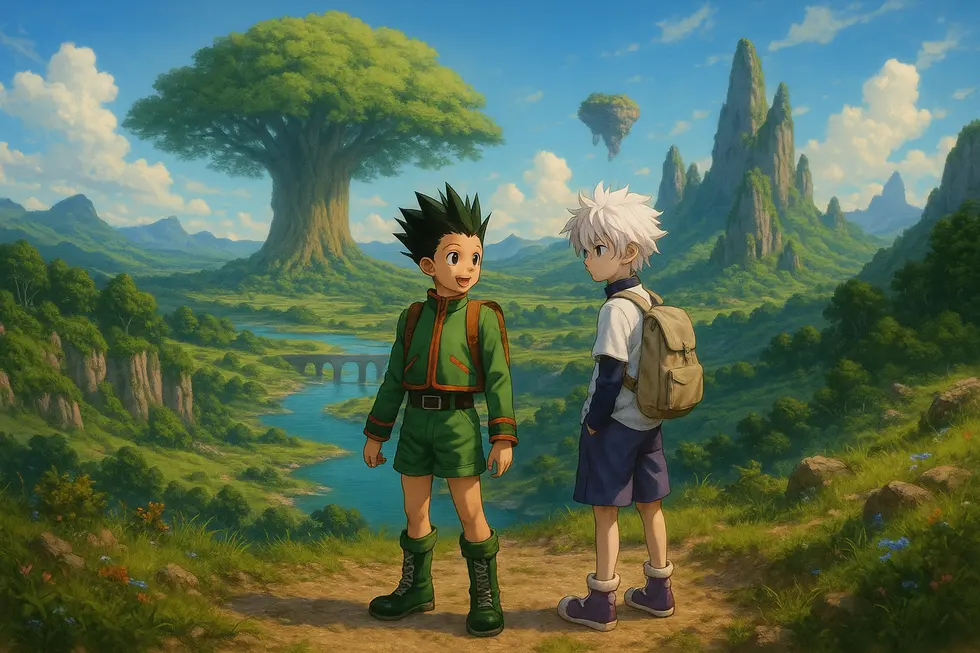
In the anime cosmos, Hunter x Hunter (2011) emerges as a quintessential piece distinguished by its complex world-building and coaxing narratives. This masterpiece chronicles the adventures of Gon Freecss, a youthful prodigy on a quest to locate his elusive father, Ging Freecss. Yet, beyond this seemingly straightforward goal lies a tapestry of interwoven story arcs, rich with emotional depth and psychological intrigue.
Gon’s personal journey intertwines with those of his companions, each driven by their own profound motivations. Kurapika’s dedication to avenging his Kurta Clan infused the narrative with justice-driven intensity, while Killua’s quest for genuine companionship and self-worth added layers of vulnerability and introspection. These characters traverse arcs like the Hunter Exam, Yorknew City, and the mesmerizing Chimera Ant arc, each challenging conventional shonen norms.
The Chimera Ant arc stands as a testament to the series’ narrative prowess, transforming Meruem, initially perceived as a merciless antagonist, into a deeply nuanced figure. His interactions with Komugi, a fragile yet pivotal character, underscore themes of humanity and moral complexity, unraveling the intricacies of power and acceptance. Such storytelling brilliance is further enhanced by detailed settings—Whale Island, Greed Island, and the enigmatic Dark Continent—each offering a backdrop fraught with political and personal intrigue.
Hiroshi Kōjina’s direction across 148 episodes ensures the adaptation’s resounding success, garnering critical acclaim for its storytelling finesse, animation quality, and character depth, available for streaming on platforms like Crunchyroll. As characters’ aims reveal deeper layers, Hunter x Hunter embodies a narrative where the line between protagonist and antagonist blurs, weaving an anime experience both profound and unpredictable.
Demon Slayer: The Shonen Revolution Reinventing Anime Narratives
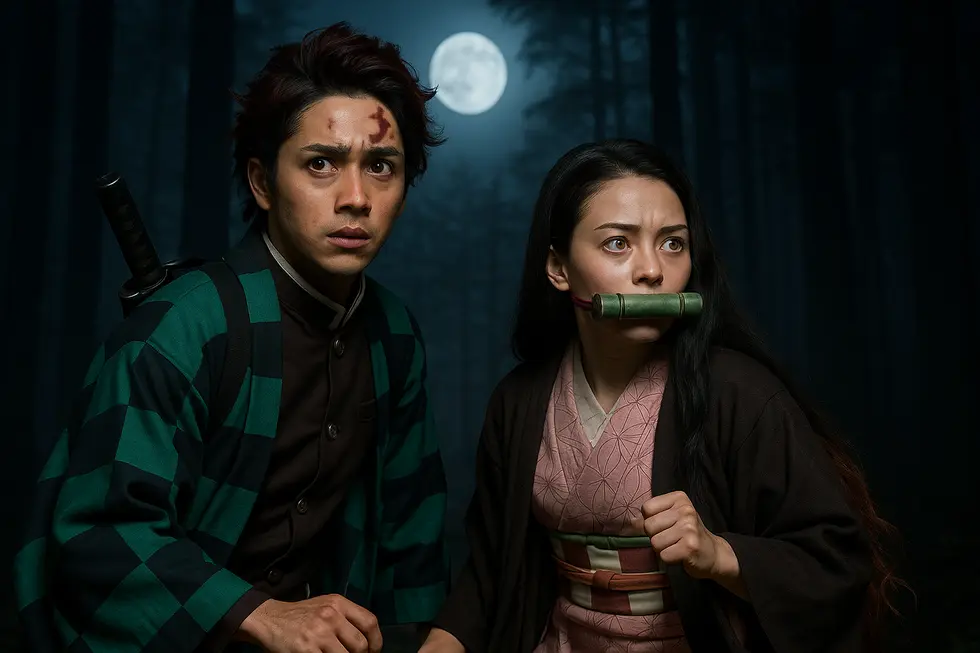
Demon Slayer: Kimetsu no Yaiba has breathed new life into the shonen genre by intricately weaving traditional elements with exceptional character depth and breathtaking animation. While shonen has always thrived on epic battles and power scaling, Demon Slayer transcends the formulaic by focusing on the emotional complexities of its characters. The narrative delves into not only the heroic journey of Tanjiro but also the poignant transformations of its antagonists, granting them depth and sympathy rarely seen in similar tales. The bond between Tanjiro and his sister Nezuko stands as a central theme, highlighting familial love and resilience amidst chaos, setting it apart from typical action narratives. Furthermore, the anime’s stunning animation has set a benchmark, drawing in global audiences and establishing Demon Slayer as a must-watch phenomenon. This combination of profound storytelling, character exploration, and visual splendor has reshaped the shonen landscape, creating a new standard for anime storytelling.
Steins;Gate: Unraveling the Threads of Time and Consequence
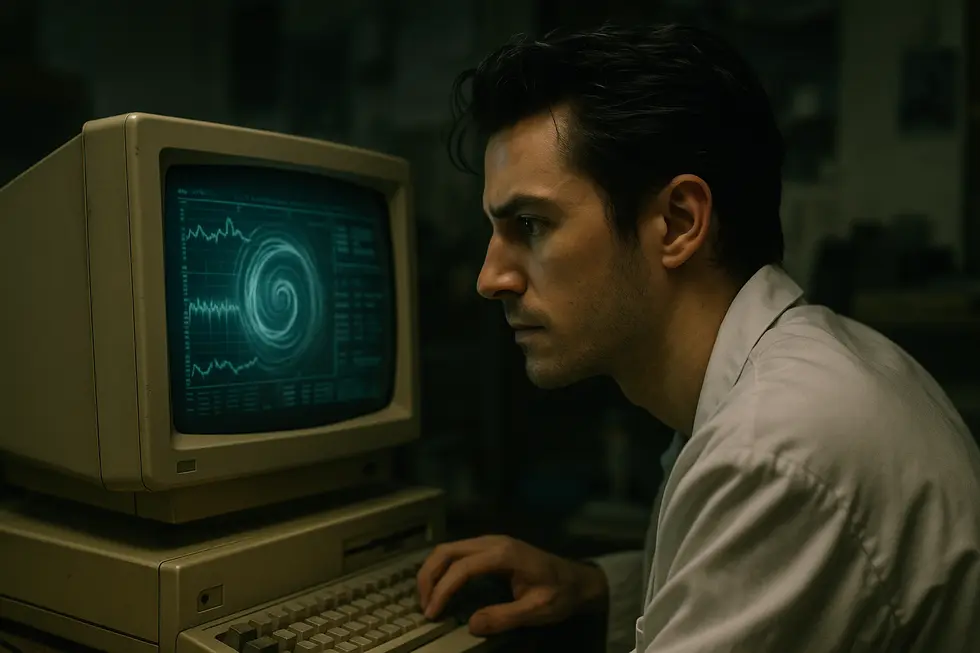
Steins;Gate stands among the most cerebral offerings in anime, inviting viewers into a labyrinthine narrative woven with time travel’s enigmatic threads. At the heart of this sci-fi thriller is Rintaro Okabe, a college student with a grandiose image of himself as a ‘mad scientist.’ His life takes an extraordinary turn when he discovers he can remember altered timelines, a burden only he bears. His journey starts with a simple text message that transforms reality, driving the narrative into a blend of scientific curiosity and intense human drama.
The story intricately weaves its complexities around the ability to send messages, known as D-Mails, to the past. This power seduces Okabe and his friends, blissfully unaware of the catastrophic effects their choices can engender. The initial exploration promises a realm of possibilities but quickly evolves into a somber realization of the consequences destined to haunt them. Soon, the series shifts gears—what began as scientific wonderment morphs into a high-stakes thriller as they confront the hidden forces of the ominous SERN organization, modeled on the real-world CERN.
A pivotal emotional underpinning lies in the bond between Okabe and Mayuri, whose repeated deaths in various timelines become heart-wrenching fixed points Okabe desperately strives to alter. These human elements render the anime’s narrative profoundly moving and dramatically effective, showcasing themes of love, loss, and resilience amidst adversity.
What distinguishes Steins;Gate is its emphasis on the weight of one’s choices. It transcends typical time-travel storytelling, delving deeply into the notion that each well-meaning alteration can yield unintended anguish, underscoring the price of tampering with fate. The anime’s conclusion offers narrative fulfillment while allowing for viewer interpretation, securing Steins;Gate’s position as a quintessential recommendation within the anime canon.
For an exploration of how anime motifs intersect with contemporary culture, consider this fantastic resource on anime trends.
Frieren: Beyond the Journey—An Untold Fantasy Epic
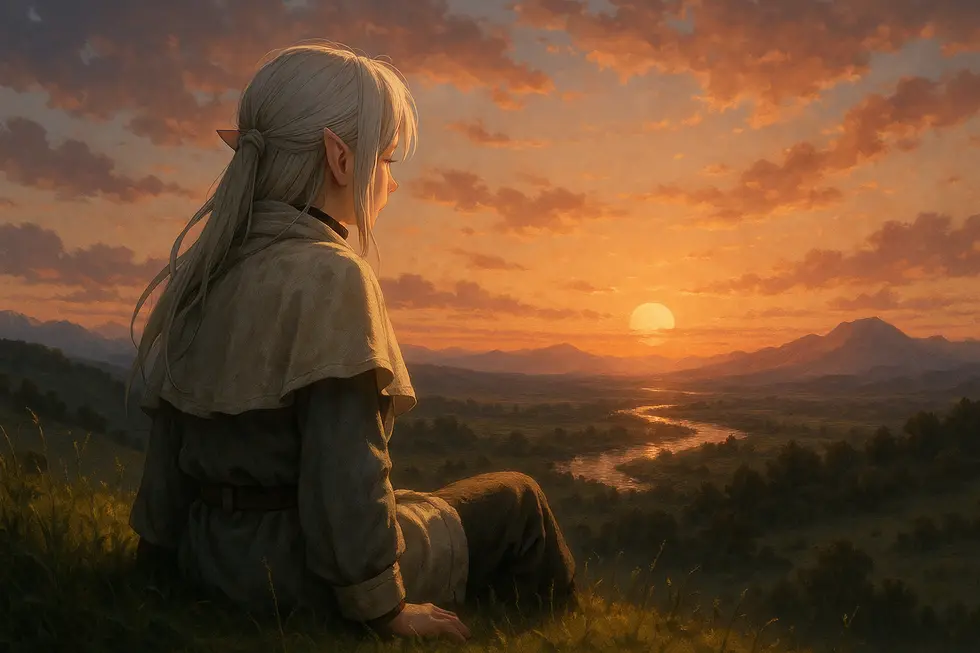
Frieren: Beyond Journey’s End distinguishes itself as a profound work not only in fantasy but across the broader anime landscape. Penned by Kanehito Yamada and visually brought to life by Tsukasa Abe, it explores the nature of time, friendship, and mortality through the eyes of Frieren, an introspective elven mage. Unlike conventional fantasies that emphasize grand quests and battles, Frieren’s journey is one of emotional discovery and philosophical depth. The narrative subtly challenges preconceived notions about the perpetuity of life and the ephemeral nature of memories, which resonates profoundly with audiences seeking an existential reflection. Notably, the series has been lauded with high esteem and critical accolades, such as the Tezuka Osamu Cultural Prize, distinguishing itself for its emotionally resonant storytelling and subversion of fantasy tropes. The anime adaptation, produced by Madhouse, faithfully captures the manga’s essence, drawing viewers into its immersive world and highlighting the melancholy yet hopeful spirit of Frieren’s quest. Notably, the adaptation’s high production quality elevates the emotional and visual storytelling, allowing for a seamless transition from poignant drama to slice-of-life enchantment. As the manga faces an indefinite hiatus, fans can continue to immerse themselves in Frieren’s unfolding story through the anime’s anticipated second season, while the existing manga provides a deeper exploration from chapter 61 forward. This series, with its soulful art and contemplative narrative, artfully reminds us of anime’s unique capacity to transcend mere entertainment, offering a reflective lens on enduring themes of life. Anime Trending Explained: Why Anime Dominate
Final Thoughts
These series are not just anime; they are cultural touchstones that have pushed the boundaries of storytelling and artistry in animation. From the gripping depths of existential questions to the thrilling heights of adventure and action, each series on this list offers something unique and unforgettable. Whether you’re a veteran anime enthusiast or a curious newcomer, these are the quintessential experiences that define what anime can achieve.
Level up your style with sneakers inspired by the anime you love. At Otaku Sneakers, every pair is crafted to help you express your fandom with confidence and originality. Don’t settle for ordinary shoes—stand out with designs made for true fans. Ready to step into your world? Click below and discover your next favorite pair. Shop now!
About Us
Otaku Sneakers was created from the growing passion for personalized anime merchandise — unique items that let every fan express who they truly are. Our store makes customization simple, allowing you to personalize products with your style, your fandom, and the designs you love.