


Introduction
2025 has arrived as a beacon for anime enthusiasts, with a remarkable lineup of light novel adaptations. These animated series and films promise not only entertainment but also a deep dive into diverse genres, from the fantastical to the sci-fi realms. Dive into our exploration of how these adaptations bring beloved stories to vibrant life.
Character and Story Depth in Best Light Novel to Anime Adaptations
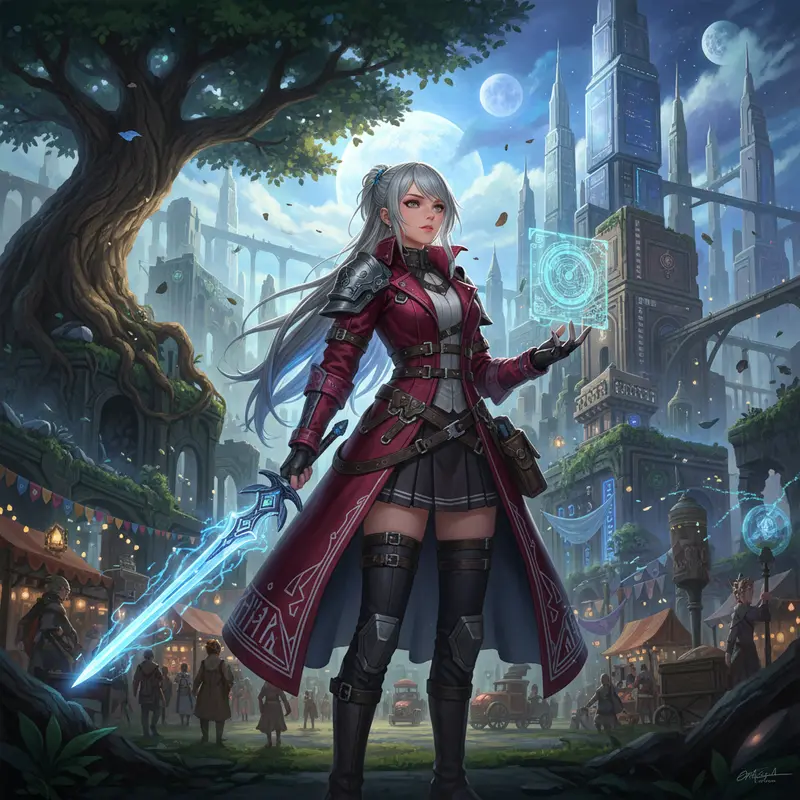
1. Weaving Intricacy: Storylines and Character Complexity in Top Light Novel Adaptations
The allure of an anime adaptation lies not solely in its visual splendor but in the depth of its narrative and the complexity of its characters, a core tenet upheld by some of the best light novel adaptations. These stories, forged in the rich tradition of light novels, are masters of nuance, immersing audiences in worlds that are as layered as they are vibrant.
For instance, Goblin Slayer stands as a testament to the intricate deconstruction of typical fantasy adventures. This series delves into the darker facets of its genre, presenting characters who are not invincible but deeply affected by the brutal consequences of their actions. It challenges conventional narratives by weaving a tapestry of dark realism, where character struggles resonate with maturity and depth [^1^].
In the realm of romance, Toradora! exemplifies the delicate balance between emotional growth and engaging storytelling. Its character-driven narrative transcends typical slice-of-life anime, exploring the intricate web of relationships with profound sensitivity and humor, thus maintaining the emotional nuances of the original light novels [^1^].
Venturing into the isekai genre, That Time I Got Reincarnated as a Slime sets itself apart with its protagonist’s journey from obscurity to extraordinary influence. The series deftly weaves humor with emotion, offering a complex portrayal of kinship and leadership while enriching the traditional isekai formula with its multifaceted characters and worlds [^1^].
Mushoku Tensei: Jobless Reincarnation takes character development to new heights with its themes of redemption and self-discovery. The anime captures the intricate character arcs and profound philosophical questions posed by its novel counterpart, portraying a mature narrative that defies simple categorization [^2^].
Among economic and romantic narratives, Spice and Wolf offers an intellectual journey that harmonizes economic principles with personal bond evolution. This series is cherished for its rich world-building and the vivid chemistry between its leads, remaining a beloved adaptation that honors the depth of the light novels [^3^].
Violet Evergarden is a poignant exploration of human emotions through its titular character’s eyes. This anime stands out for its breathtaking animation and the deeply emotive storylines that mirror the novel’s core themes of understanding and empathy. The series excels in portraying the nuanced emotional journeys of its characters, enveloping viewers in its touching narratives [^2^].
These adaptations not only capture the heart of their source material but bring forth an introspective depth that few other mediums achieve. By translating richly descriptive storytelling into the realm of anime, these adaptations underscore the power of fusing visual storytelling with detailed psychological and thematic exploration, ensuring their place at the pinnacle of anime excellence.
For more insights into why these adaptations captivate audiences, visit this blog post about upcoming anime in 2025.
2. The Dynamic Evolution of Female Leads in Light Novel to Anime Transitions
In recent years, light novel to anime adaptations have become a platform for showcasing the evolution of female protagonists, reflecting a shift towards complex, multifaceted characters who defy traditional archetypes. This evolution can be traced across various genres, from fantasy and isekai to romance and slice-of-life, demonstrating a commitment to representing women with depth, agency, and intricate storylines.
One notable example is Goblin Slayer, which offers a gritty realism often missing from traditional fantasy narratives. Here, the female characters are not merely damsels in distress but warriors and strategists whose emotions and motivations are given as much weight as their male counterparts. The series deconstructs fantasy adventure tropes, providing a harrowing yet honest portrayal of the consequences of combat that adds layers to its character complexity.
In contrast, That Time I Got Reincarnated as a Slime blends humor with a protagonist’s credible growth, presenting female allies who are integral to strategic and narrative development. From loyal companions to powerful rivals, these characters contribute to a richly developed world where emotional depth partners with compelling action.
Toradora! stands out as a quintessential slice-of-life romance that captures the subtleties of emotional storytelling. The nuanced character dynamics between the female lead, Taiga Aisaka, and her counterparts illustrate how personal growth and relational change are pivotal in moving beyond genre confines into deeply human experiences. This adaptation, alongside others, expands upon the emotional storytelling in light novels.
Spice and Wolf further exemplifies the art of sophisticated character evolution. Holo, the female protagonist, is depicted as a wise and cunning entity whose relationship dynamics with the male lead unfold amidst detailed explorations of economics and trade. This mature storytelling approach fosters an immersive world, richly praised for its ability to meld intellectual and emotional development.
Another transformative narrative is found in Mushoku Tensei: Jobless Reincarnation, which epitomizes the isekai genre’s shift towards deep character introspection and elaborate world-building. As the story unfolds, female characters are portrayed with a remarkable depth of introspection, contributing significantly to the protagonist’s journey and the intricacies of the overarching story.
Light novel adaptations often combine these character-driven narratives with exquisite animation and artistic styles, as evidenced in works like Violet Evergarden. This series elevates its source material’s emotion-focused storytelling, underscoring the transformative power of animation in conveying human emotions authentically.
The evolution of female characters in light novel to anime adaptations reflects a broader trend toward rich storytelling where character depth and multi-dimensionality are not just aspirations but achieved realities. This shift signifies not only an adherence to source material but often an expansion, offering narratives where female protagonists are central to both the action and its consequences, embodying resilience, intelligence, and emotional complexity.
Cultural and Genre Influences on Best Light Novel to Anime Adaptations

1. Exploring Japanese Identity: The Cultural Fabric of Light Novel to Anime Adaptations
Japanese cultural themes are woven intricately into the tapestry of light novel to anime adaptations, defining the genre’s distinct character while echoing the thoughtful narrative techniques of Japanese storytelling traditions. These themes not only shape the plotlines and characters but also echo the philosophical underpinnings of the society from which they arise, offering audiences a mirror to Japanese cultural identity.
The process of adapting light novels into anime provides an opportunity to retain and weave traditional motifs and social norms into visual storytelling. This cultural fidelity is a hallmark of Japanese adaptations, where narrative elements are not diluted but rather accentuated to resonate deeply with audiences. For instance, the adaptation of works like Rurōni Kenshin reflects a deep understanding of historical context and the samurai ethos, grounded in humor and modern storytelling that echoes classical themes with a modern twist.[1]
One of the fascinating aspects of Japanese light novel adaptations is their meta-narrative quality, a self-awareness that turns the gaze inward, reflecting on their existence as cultural artifacts. Titles such as OreImo and Bakemonogatari expertly play with these layers of narrative, interweaving humor and critique with homage to the conventions of their medium. This approach not only entertains but also engages the audience in a dialogue about cultural and creative context, an attribute uniquely tied to Japanese storytelling sophistication[2].
Moreover, these adaptations often delve into distinctly Japanese societal elements, such as the tension between traditional and modern values, or the exploration of societal roles. They frequently present a canvas rich with cultural insights. Kino’s Journey exemplifies this, guiding viewers through fictional landscapes that mirror Japanese introspection and philosophical commentary on human relations. The series provides meditative visuals that reflect various philosophies akin to cultural diversity experienced within Japan itself[3]. Meanwhile, Violet Evergarden captivates with its portrayal of emotional exploration set against an intricate aesthetic backdrop distinctive of Japanese art, seamlessly translating the novel’s thematic essence into the animated realm[3].
The adaptation process thus participates in maintaining cultural continuity and authenticity. By doing so, it creates a sophisticated layer to the storytelling that is implicitly Japanese, often incorporating humor and a deep social reflection within its narratives. This multi-dimensional engagement ultimately enhances narrative depth, rendering these adaptations compelling and authentically tied to their Japanese roots. Such fidelity to cultural origins not only enriches the viewer experience but also serves as a distinguishing factor from other international media adaptations, affirming the unique allure of Japanese anime in the global arena [1][2][3].
2. The Harmonious Blend of Genres: Unraveling Cross-Genre Appeal in Anime Adaptations
In the ever-evolving world of anime, one of the most captivating aspects is how light novel adaptations manage to blend diverse genres seamlessly, creating an experience that appeals to a wide array of viewer interests. This cross-genre appeal is not just a testament to creative storytelling but also a reflection of the cultural versatility embedded in Japanese narratives. By merging different genre elements, these adaptations enrich their storytelling and broaden their audience base, embodying both niche cultural nuances and universally resonant themes.
A prime example is The Apothecary Diaries, which intertwines elements of mystery, historical drama, and feminism. Here, the protagonist Maomao navigates the complex imperial court with her medicinal expertise. This blend offers suspense through mystery-solving, emotional depth through its historical and cultural context, and progressive narratives by showcasing a strong, self-reliant female lead. It is this harmonious weaving of genres that draws in viewers from varied backgrounds, each finding a slice of interest whether it be in historical richness or gender discourse.
Similarly, My Happy Marriage combines romance with supernatural phenomena. It explores the delicate intersections of real human emotions and fantastical elements—a narrative style reflective of the Shinto belief in spirits intertwined with the human world. The romantic threads, laced with supernatural occurrences, speak to audiences who appreciate both heartwarming connections and thrilling supernatural narratives.
In action and adventure-focused adaptations like Our Last Crusade or the Rise of a New World, the convergence of epic battle sequences and intricate character histories speaks to this cross-genre mastery. By situating deeply personal relationships within a broader conflict, the series explores themes of war and peace, destiny, and interpersonal bonds. Such themes strike a chord globally, echoing historical and contemporary socio-political circumstances while maintaining a deeply personal core.
The sheer diversity offered by adaptations like From Old Country Bumpkin to Master Swordsman underscores another facet of cross-genre success—the interplay of humor with action. This series tempers high-stakes thrill with comedic elements, making the narrative accessible and enjoyable. Humor serves as a universal language, adding layers to intense action scenes and providing necessary levity.
Furthermore, fantasy series such as Witch Hat Atelier demonstrate the power of richly woven cross-genre appeal, fusing magical realism with themes of personal growth and friendship. These narratives resonate with audiences seeking escapism grounded in genuine emotional evolution, showcasing how fantastical worlds can offer profound life lessons.
In conclusion, the cultural and genre influences present in light novel to anime adaptations not only entertain but also educate and create empathy through diverse storytelling methods. They exemplify how blending genres can cater to a broad cultural palate, enhancing the narrative experience and viewer engagement. As these adaptations gain popularity and spread Japanese cultural motifs internationally, they encourage cultural exchange and shared understanding across global audiences, molding a diverse yet unified fan community.
For more insights into how these adaptations contribute to cultural exchange, consider exploring how anime trends dominate globally.
Animation and Artistic Excellence in Best Light Novel to Anime Adaptations
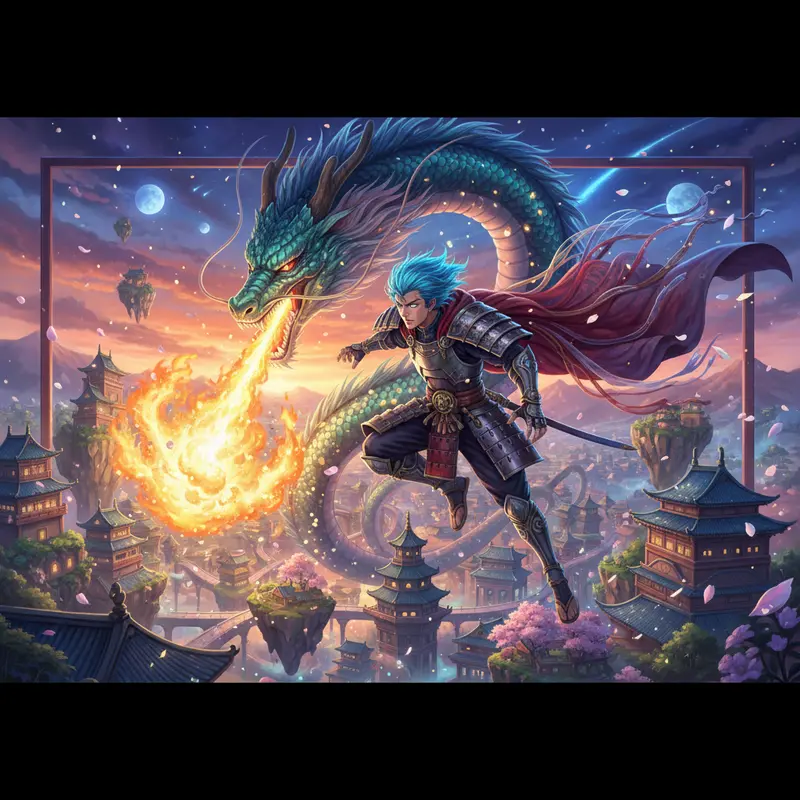
1. Masterpieces of Animation: Innovative Techniques Redefining Light Novel Adaptations
The adaptation of light novels into anime has become an artistic endeavor where innovation meets narrative. The complex task of translating rich, word-heavy stories into dynamic visual media necessitates inventive techniques that transcend traditional methods. Several anime exemplify how creativity in animation can serve as both a narrative aid and a captivating visual journey.
Studio Shaft’s Bakemonogatari serves as a quintessential example. Dealing with Nisio Isin’s intricate prose, the studio faced the challenge of adapting a dialogue-heavy narrative on a constrained budget. The solution was a strategy that relied not on sheer quantity of animation but on the power of visual storytelling. Through gorgeous still art and strategic focus on pivotal sequences that required full animation, Director Akiyuki Shinbo crafted a series that was as visually engaging as it was narratively rich. The show’s stylized visual techniques, including graphic overlays and innovative editing, transformed dialogue-heavy scenes into engrossing experiences.[1]
Beyond the constraints of budget, the quality of these adaptations shows how creativity thrives under limitations. Studio Trigger’s Kill la Kill is another testament to this, balancing its intricate battles with economical use of stills and cut-outs, maintaining an engaging momentum without resorting to lavish animation throughout.[1] This blend of dynamic and static elements kept audiences visually satisfied and invested in the storyline.
The early 2000s introduced a seismic shift in the anime industry, driven by the shift from traditional cel animation to digital techniques. This transition provided animators with the tools to create cleaner visuals and more complex color palettes, allowing for more profound artistic expression. These technological advancements have facilitated the creation of fluid animations and visually arresting series that resonate with fans.
Successful adaptations are not solely judged by their visual presentation but also by narrative adaptations that strike a delicate balance between fidelity to the source material and the unique demands of the animated form. This balance involves choices in pacing and story structure that enhance the original narrative rather than merely replicate it. The synergy of sound design, including nuanced voice acting and evocative soundtracks, plays a crucial role in enriching the visual narratives, often serving to deepen emotional impact and audience connection.[3]
The maturation of light novel adaptations into anime is a testament to the industry’s evolution, demonstrating that technical skill and artistic vision must work hand-in-hand. This synergy results in productions that captivate both long-time fans of the novels and newcomers to the anime format. Through resourceful direction, thoughtful animation, and strategic use of technology, these adaptations stand as monuments to creative ingenuity.
The artful transition of light novels to anime continues to captivate audiences, supported by the continual drive for innovation within the industry. For those interested in the broader trends that define current anime beloved by audiences, visit Anime Trending Explained: Why Anime Dominates.
2. The Artistic Symphony: Visual Styles and Techniques in Anime Adaptations
In the realm of adapting light novels into anime, the diversity of visual and artistic styles plays a pivotal role in transforming the written word into a tapestry of moving imagery. This transformation doesn’t merely involve direct translation; rather, it requires innovative artistic decisions that bring to life the intricate narratives and emotions originally penned within the light novels.
One exemplary adaptation showcasing this artistic innovation is Bakemonogatari, a series that redefined how prose-rich light novels could be visualized. Directed by Akiyuki Shinbo for Studio Shaft, Bakemonogatari employed unconventional animation techniques to breathe life into its dialogue-heavy source material. By utilizing a combination of still images and stylized cuts, the series navigates the constraints of limited animation budgets without compromising the depth of storytelling. The creative use of static art, imbued with intense psychological color palettes, empowers the narrative, molding an experience that’s both visually arresting and deeply engaging. These techniques underscore the capacity for stylistic editing to enhance narrative delivery, exemplifying how budgetary limitations can spur rather than stifle creativity.[1]
A parallel case is observed with the Kizumonogatari trilogy. Directed by Tatsuya Oishi, this adaptation pushes boundaries through its emotive animation and meticulous sound design. A particularly striking sequence unfolds on a subway platform, where minimalist yet sharply contrasting colors and layered soundscapes convey a scene of high emotional tension. This finesse in translating prose emotion into visual storytelling highlights how sound and visual motifs can elicit powerful audience reactions, turning abstract narratives into tangible cinematic experiences.[2]
These adaptations demonstrate a careful balance between faithfulness and artistic liberty. While aiming to preserve the original tone, they introduce unique creative layers that enrich the storytelling medium. The choice of high-quality animation, coupled with compelling voice acting and soundtracks, serves to deepen audience immersion, creating an emotional resonance that mirrors the heart of the light novels.
Historically, this fusion of literary and visual mediums finds its roots in remarkable adaptations of Kenji Miyazawa’s works, like Gauche the Cellist and Night on the Galactic Railroad. These films crafted a narrative synergy by intertwining vivid imagery and evocative music with innovative character designs, such as the use of anthropomorphic figures and Esperanto, enhancing the surreal poetry of the source material.[5]
In conclusion, the artistic excellence found in light novel to anime adaptations is a testament to the transformative power of animation. Through stylistic editing, distinctive visual motifs, and innovative sound design, these adaptations not only retain their source material’s spirit but elevate it into a unique, multidimensional experience that resonates with diverse audiences. This symphony of artistic choices ensures that anime remains a dynamic and evolving art form, celebrating both its literary roots and its visual potential.
[1]: CBR on Light Novel Adaptations[2]: YouTube: Kizumonogatari – The Creative Adaptation
[5]: Nishikata Eiga on Kenji Miyazawa Adaptations
Final Thoughts
The anime adaptations of 2025 promise a remarkable viewing experience, blending deep narratives, diverse cultural influences, and high animation standards. These adaptations stand as a testament to the ever-evolving artistry and storytelling excellence that continue to define the anime world.
Level up your style with anime-inspired sneakers, apparel, and accessories. At Otaku Sneakers, every piece is crafted to help you express your fandom with confidence and originality. Don’t settle for ordinary fashion—stand out with designs made for true fans. Ready to step into your world? Click below and discover your next favorite items. Shop now!
About Us
Otaku Sneakers was created from the growing passion for personalized anime merchandise — unique items that let every fan express who they truly are. Our store makes customization simple, allowing you to personalize products with your style, your fandom, and the designs you love.