

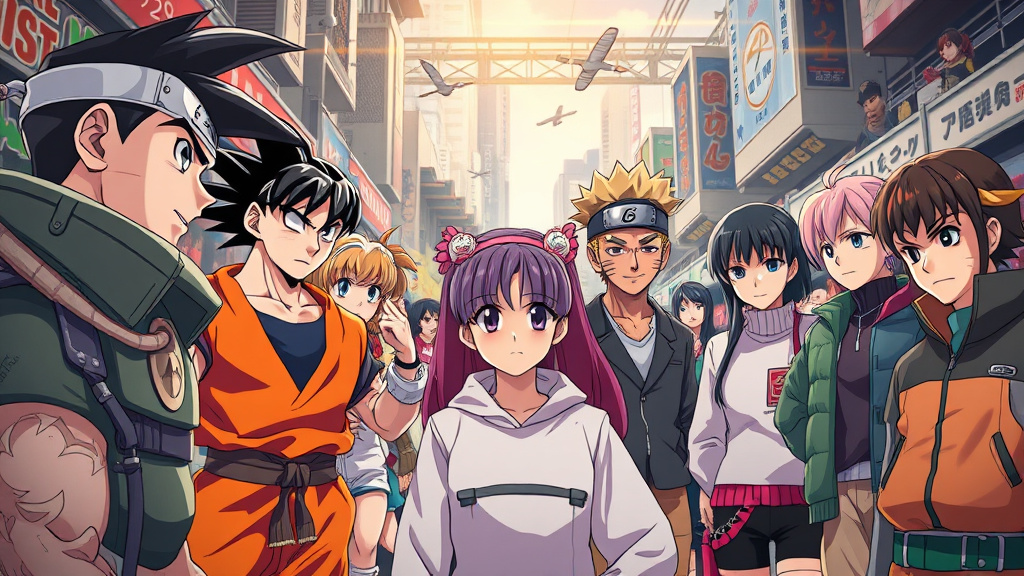
Anime characters form the heart and soul of Japanese animation, capturing the imagination of fans worldwide through dynamic storytelling and visually distinctive designs. These anime characters go beyond mere visual appeal—they embody complex personalities, inspire trends, and influence broader pop culture. From unforgettable heroes to complex villains, the evolution of anime characters reflects changing societal values, technological advancements, and artistic innovations. This article takes a comprehensive look at the most iconic anime characters, detailing their evolution, cultural significance, and the fashion of cosplay that brings them to life anew every year.
Iconic Anime Characters: A Retrospective Look

Throughout the history of anime, certain characters have left indelible marks on fans and creators alike, becoming cultural symbols that transcend the medium. Characters like Goku from Dragon Ball, Sailor Moon from Sailor Moon, and Pikachu from Pokémon continue to resonate across generations. These icons set precedents in character development, visual storytelling, and emotional connection, making them essential study points for understanding the cultural fabric of anime.
Examining these anime characters reveals a progression from simple caricatures to richly layered personalities. Early anime often featured archetypical heroes and villains, but over time, complexity and moral ambiguity crept into character design. This evolution allowed anime characters to appeal to diverse audiences, fostering emotional engagement that made their stories timeless. Their impact persists in merchandise, fan art, and the ongoing cultural dialogue surrounding anime as an art form.
The Evolution of Anime Character Design Trends

The design of anime characters has evolved in tandem with technological innovations and shifting aesthetic tastes. In the early days, designs leaned toward exaggerated features like large eyes and colorful hair, creating instantly recognizable silhouettes. As animation techniques improved, so did the nuances in facial expressions and body language, enabling a deeper emotional connection with viewers.
Modern anime characters reflect a broader spectrum of diversity and realism while retaining iconic elements. The trend towards more detailed costumes, expressive features, and culturally diverse influences signals a shift from purely aesthetic choices to storytelling tools. This evolution not only enriches character personalities but also aligns with global trends in animation, making anime characters more relatable and multidimensional.
Popular Anime Characters: Analyzing Fan Favorites

Fan favorites often share certain traits—relatability, heroism, or a compelling backstory—that resonate deeply with audiences. Characters like Naruto Uzumaki, Edward Elric from Fullmetal Alchemist, and Mikasa Ackerman embody perseverance and inner strength, making them instantly recognizable symbols. Their popularity drives everything from merchandise sales to cosplay and community discussions.
What makes these anime characters truly stand out is their ability to evolve dynamically throughout their series. Their struggles, growth, and victories create a narrative that fans find inspiring and authentic. Analyzing these characters reveals that their appeal lies not only in their visual design but also in the universality of their journeys, which often mirror real-world aspirations and challenges.
Unforgettable Anime Characters and Their Impact on Culture
Certain anime characters transcend their fictional worlds, influencing music, fashion, and even social movements. For instance, Hatsune Miku became a virtual pop idol, while characters like Luffy and Goku have been adopted as symbols of resilience and hope in various cultural contexts. These figures often inspire memes, fan art, and social activism, demonstrating their far-reaching impact.
The cultural resonance of anime characters underscores their role as catalysts for community building and identity formation. They serve as touchstones for shared experiences—be it through cosplay at conventions or streaming marathons—that foster a vibrant, global fandom. Their impact often extends beyond entertainment, shaping societal perceptions of heroism, friendship, and perseverance.
Behind the Voices: Exploring the Talented Voice Actors of Anime Characters
Voice actors are often the unsung heroes behind anime characters, imbuing them with emotion, nuance, and personality. The skill of these performers transforms static images into relatable, breathing individuals who can evoke laughter, tears, and excitement. For example, Megumi Hayashibara’s portrayal of Rei Ayanami and Asami Imai’s voice behind Mikasa demonstrate profound vocal talent that elevates character presence.
The relationship between anime characters and their voice actors is symbiotic, with performances influencing character perception and development. Talent, cultural understanding, and emotional expression are critical in crafting iconic roles. Studying these voice actors reveals how their artistry shapes the characters’ identities, audiences’ emotional responses, and the longevity of the characters’ popularity.
Strong Female Anime Characters: Breaking Stereotypes and Empowering Audiences
In the landscape of anime, strong female characters such as Motoko Kusanagi from Ghost in the Shell, Mikasa Ackerman, and Erza Scarlet in Fairy Tail challenge traditional gender stereotypes. These characters exhibit leadership, combat prowess, and resilience that inspire viewers and broaden perceptions of femininity and strength.
Their narratives often explore themes of independence, agency, and empowerment, providing relatable role models for diverse audiences. Anime characters like these push boundaries, showcasing women who are multidimensional—fighting battles both external and internal—thus enriching storylines with depth and realism. Their presence is crucial for fostering gender equality and inspiring future generations of creators and fans.
Villainous Anime Characters: Exploring Motivations and Complexities
The best villains in anime are rarely one-dimensional antagonists; they are complex characters driven by understandable motives and layered personalities. Characters like Light Yagami from Death Note and Orochimaru from Naruto embody moral ambiguity, making them fascinating fodder for psychological analysis. Their motivations—justice, revenge, or a desire for power—add depth, blurring the line between good and evil.
These anime characters challenge viewers to confront uncomfortable truths about morality and the consequences of their actions. Their complexity often serves as a mirror to the protagonists’ struggles, creating compelling narratives. Analyzing villains reveals that they are not merely obstacles but integral to thematic development, highlighting the nuanced storytelling that anime excels at delivering.
The Most Powerful Anime Characters – A Tier List Analysis

Powerful anime characters like Saitama from One Punch Man, Zeno from Dragon Ball Super, and Meliodas from The Seven Deadly Sins inspire awe through their seemingly limitless abilities. Creating a tier list involves assessing strength, skills, and strategic thinking, which adds a fun, competitive element to character analysis.
However, strength in anime often extends beyond physical power; it encompasses influence, moral authority, and emotional resilience. This layered approach to power demonstrates that true strength in anime characters also involves character development and narrative significance. Analyzing these figures offers insight into the types of heroism and villainy that resonate within the medium’s storytelling scope.
Anime Characters and Cosplay – Recreating Iconic Looks
Cosplay celebrates anime characters by bringing their iconic appearances into the real world, requiring skill, creativity, and dedication. Costumers meticulously craft costumes and adopt mannerisms to embody beloved characters, turning conventions into lively tributes to anime artistry. Cosplaying anime characters fosters community, encourages artistic expression, and keeps the spirit of anime culture alive.
Recreating these looks often involves a blend of craftsmanship, makeup artistry, and improvisation. The challenge lies in capturing a character’s essence—his or her personality, voice, and details—through costume design and performance. Cosplay serves as a physical conversation with fandom, expressing admiration and recreating the magic of anime characters in tangible form.
Anime Characters in Video Games – A Crossover Phenomenon
Many anime characters have transitioned into video games, creating crossover phenomena that expand storytelling and fan engagement. Titles like Naruto games, Dragon Ball Z fighting games, and Persona series deepen character development and allow fans to experience battles and adventures firsthand. These adaptations often introduce new gameplay mechanics that highlight each character’s unique abilities.
This crossover not only amplifies the characters’ popularity but also broadens their cultural footprint. Fans enjoy customizing avatars, exploring alternate storylines, and testing the limits of their favorite anime characters. The synergy between anime and video games exemplifies how characters evolve beyond their origins, fostering new ways for audiences to connect, compete, and celebrate their fandom.
Conclusion
Throughout this exploration, the rich tapestry of anime characters showcases their evolution, cultural significance, and versatility across media. Iconic characters have defined eras, challenged stereotypes, and inspired fans worldwide, reminding us that anime is a powerful storytelling medium capable of shaping societal values and personal identities. Their influence extends across fashion, music, and even social activism, proving that these characters are much more than fictional—they are symbols of hope, resilience, and creativity that continue to inspire generations.