

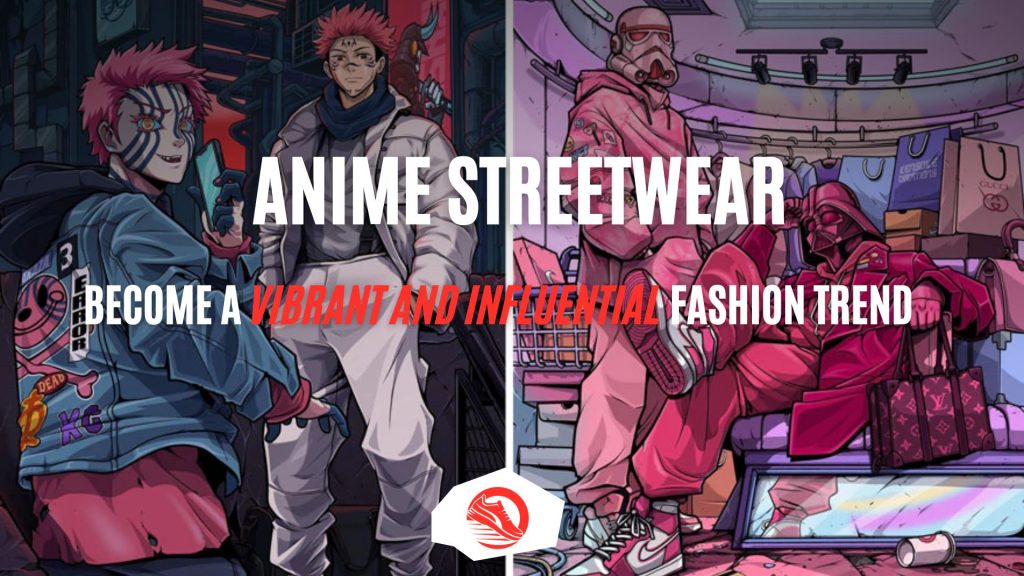
Anime streetwear has become a vibrant and influential fashion trend, blending Japanese animation culture with urban fashion sensibilities. This style is characterized by its bold graphics, iconic characters, and fusion of streetwear staples with anime-inspired aesthetics. As anime continues to grow globally, so does the unique subculture of anime streetwear, which allows fans to express their passion through everyday fashion. This article explores the origins, design elements, cultural impact, and future trends of anime streetwear, providing a comprehensive understanding of this dynamic fashion phenomenon.
Origins and Evolution of Anime Streetwear
Anime streetwear’s roots trace back to the early 2000s when anime’s popularity started spilling over from Japan to Western countries and around the globe. During this period, underground fashion scenes began integrating anime-inspired visuals into their clothing, initially through DIY projects and independent brands. The merging of streetwear culture—characterized by brands like Supreme, BAPE, and Off-White—with anime aesthetics marked the inception of what we now know as anime streetwear.
The evolution of anime streetwear has been driven by multiple factors. Firstly, the expansion of anime’s global fan base made incorporating anime imagery into everyday fashion more accessible and socially accepted. Secondly, the rise of social media platforms such as Instagram, TikTok, and Pinterest has enabled creators and consumers alike to share their anime-inspired outfits widely, fueling a viral culture. Thirdly, collaborations between popular anime franchises and apparel brands have accelerated its growth, leading to mainstream acceptance.
Traditional streetwear brands began to incorporate anime graphics, character motifs, and signature colors into their collections. The rise of online marketplaces like Etsy and specialized boutiques made anime streetwear more inclusive, allowing for customization and local production. Over time, a dedicated community formed, with enthusiasts creating limited-edition drops, art collaborations, and pop-up shops. Today, anime streetwear stands as a distinctive style that embodies youthful rebellion, cultural preservation, and artistic expression.
Anime streetwear continues to adapt, infused with contemporary trends such as oversized fits, minimalism, and eco-conscious materials, making it a versatile and evolving fashion subculture. The continuously expanding interconnection between anime fandom and street fashion highlights the importance of self-expression, nostalgia, and visual storytelling embedded within this style.
Design Elements and Iconography in Anime Streetwear
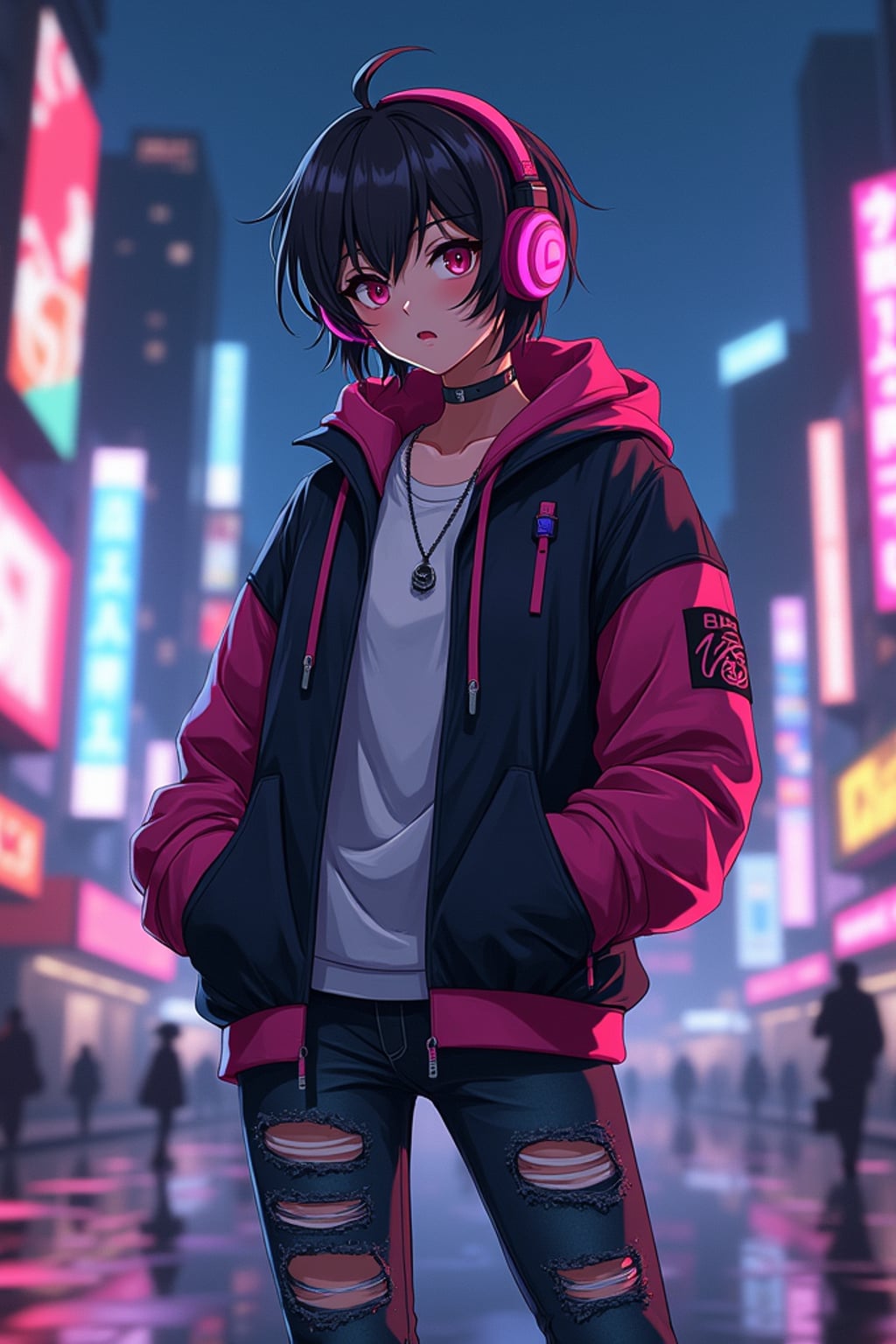
Anime streetwear’s visual language is rich with distinctive design elements that distinguish it from conventional street or anime apparel. At its core, it merges complex character identities and narrative motifs from anime with the rebellious, often bold aesthetics of street fashion. This section explores the key design components that define anime streetwear and how they translate iconic anime imagery into wearable art.
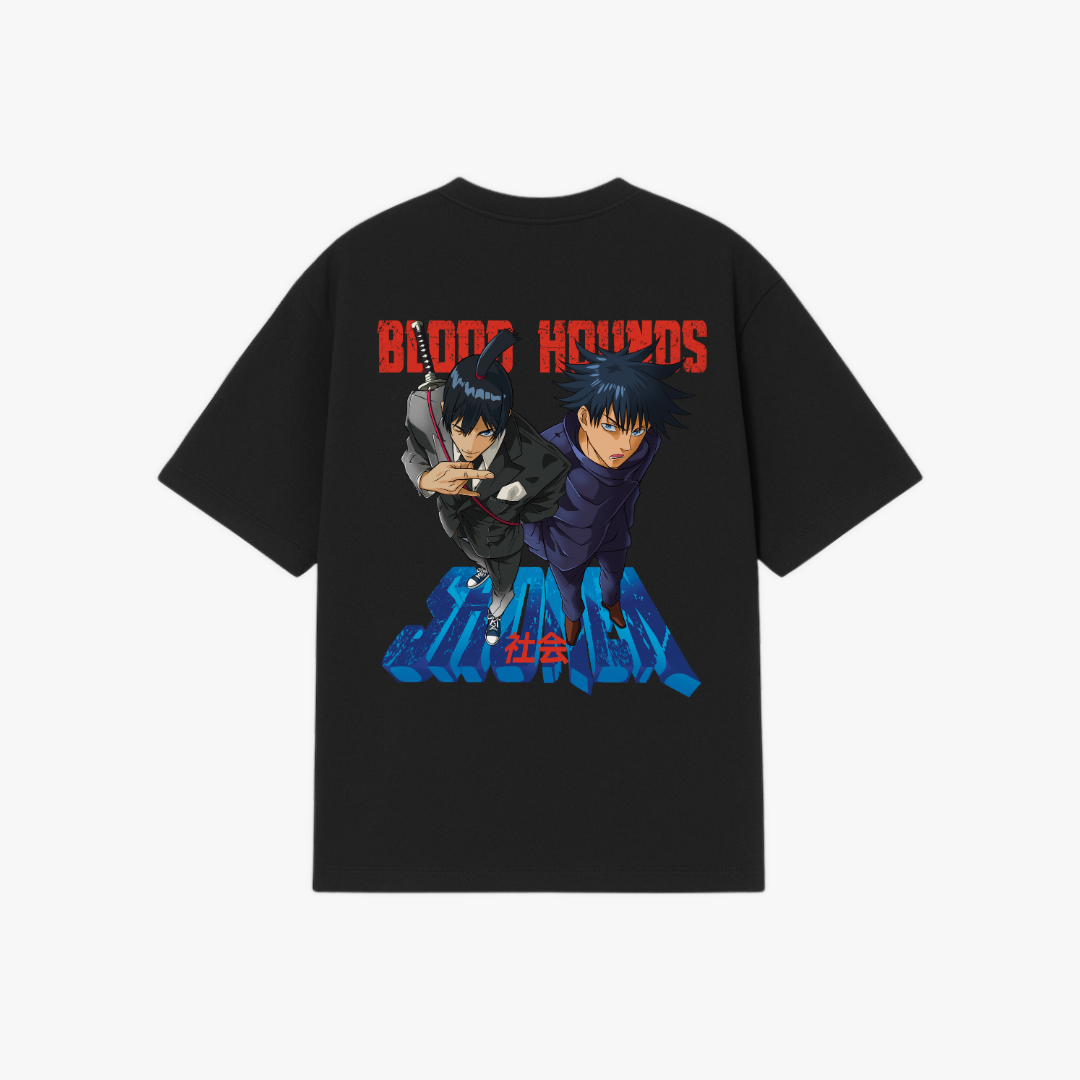
Anime-inspired graphics often feature prominent character art, symbols, or scenes from popular series, rendered in a variety of styles from hyper-realistic to minimalist interpretations. These graphics are typically printed on hoodies, tees, joggers, and accessories, making them highly visible expressions of fandom. The use of vibrant colors, contrasted with neutral palettes, helps balance the visual impact while drawing attention to specific characters or themes.
Typography also plays a critical role, with many designs incorporating Japanese kanji, katakana, or Latin fonts inspired by manga panels, titles, or slogans. These textual elements often add an authentic touch to the design and evoke a sense of Japanese culture and storytelling. Furthermore, the choice of materials and finishes—such as glossy prints, embroidery, or patches—enhances the texture and depth of the visuals, making each piece unique.
Beyond graphics, the motifs themselves—like the iconic eyes of anime characters, signature poses, or recognizable symbols—serve as cultural signifiers that resonate within the community. For example, the use of motifs like the Rising Sun, cherry blossoms, or pixelation references to classic video games often intersect with anime visuals, creating layered meanings. Ultimately, the ability to blend dynamic imagery with streetwear’s comfort and functionality is what makes anime streetwear a powerful mode of self-expression.
Designers often experiment with different styles—ranging from vintage retro anime aesthetics to avant-garde reinterpretations—thus broadening the scope of possibilities within anime streetwear. Whether it champions nostalgia or futurism, the design elements in this genre encapsulate a vibrant intersection of art, culture, and identity that continues to captivate new generations of fans and fashion enthusiasts alike.
Cultural Impact and Social Significance of Anime Streetwear
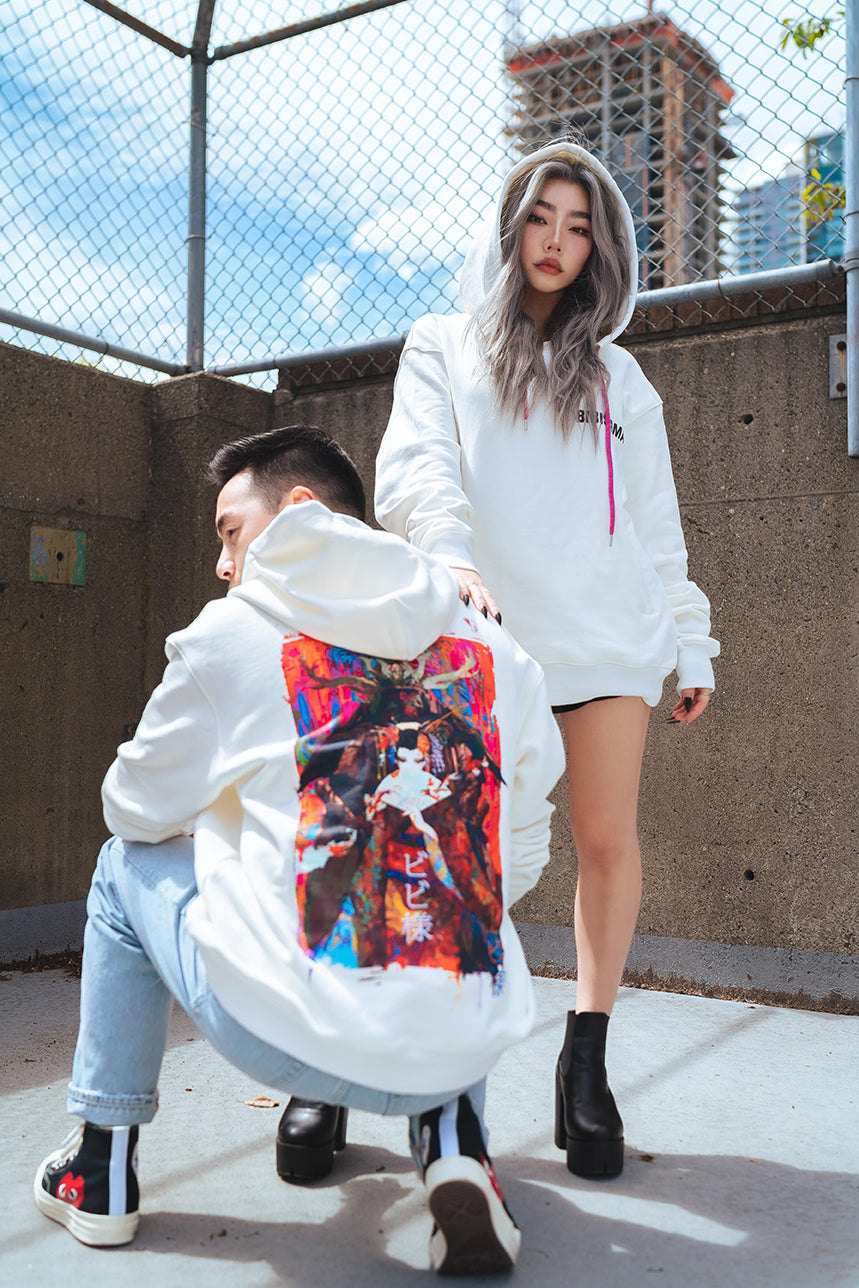
The cultural significance of anime streetwear extends far beyond mere fashion statements, reflecting broader societal themes such as identity, globalization, and youth culture. Its rise symbolizes a shift toward embracing cultural diversity, with anime serving as a bridge connecting fans across borders and backgrounds. The growth of anime streetwear illustrates how pop culture icons can influence social trends, create community bonds, and foster a sense of belonging through shared aesthetics and interests.
At its core, anime streetwear acts as a form of individual storytelling. Fans incorporate their favorite characters, story arcs, or series into their daily attire, turning clothing into a canvas for personal expression. For many, wearing anime-inspired designs is a way to celebrate their cultural roots or personal histories, especially for Asian communities living abroad. It allows individuals to showcase their passion openly while also asserting their identity in a predominantly Western fashion landscape.
The social impact is also evident in the collaborative nature of anime streetwear’s development. Limited-edition drops, artist collaborations, and fan-driven designs foster grassroots creativity and community engagement. These initiatives often promote inclusivity and offer a platform for emerging artists, breaking down traditional barriers within the fashion industry. Moreover, anime streetwear’s influence can be seen in mainstream media, with celebrities and influencers donning anime-inspired outfits, thus normalizing and elevating the style even further.
Furthermore, as anime often explores complex themes such as existentialism, morality, and societal critique, incorporating such motifs into fashion allows wearers to engage in cultural dialogue. It turns clothing into a conversation starter, encouraging discussions about Japanese culture, anime narratives, and their broader societal implications. This cultural exchange enriches both the fashion world and the global appreciation of anime as a powerful form of storytelling.
The social significance of anime streetwear is thus multi-layered—it is a form of personal and cultural identity, a tool for artistic expression, and a symbol of cross-cultural influence. Its growth mirrors shifting perceptions toward manga and anime as respected art forms and demonstrates how fashion trends can serve as platforms for community-building and cultural dialogue.
Future Trends and Innovations in Anime Streetwear
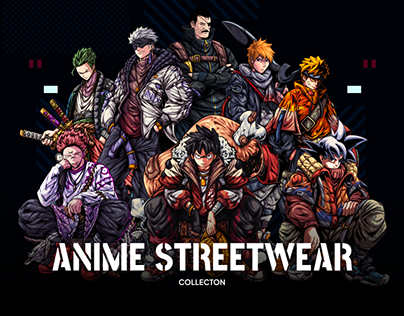
Looking ahead, anime streetwear is poised to become even more innovative as technology advances and cultural exchanges deepen. The future of this vibrant style will likely feature increased digital integration, sustainable practices, and broader mainstream acceptance, making it an ever-evolving phenomenon.
One promising trend is the integration of augmented reality (AR) and virtual reality (VR) with fashion. Wearables embedded with AR could allow users to project animated characters or scenes onto their clothing via smartphone or AR glasses. Such advancements would not only enhance aesthetic appeal but also create interactive experiences that heighten the sense of immersion and fandom. For example, an anime-themed hoodie could come alive with animation when viewed through an AR device, blurring the lines between physical and digital art.
Sustainability will play a critical role in shaping the future of anime streetwear. As consumers grow more environmentally conscious, brands are exploring eco-friendly fabrics, ethical manufacturing, and upcycling. Limited-edition or customizable pieces could be produced via digital platforms, reducing waste while respecting artistic individuality. The adoption of biodegradable inks, recycled materials, and eco-conscious packaging will reflect a broader commitment to green fashion, aligning anime streetwear with responsible consumption.
Moreover, collaborations will continue to boost the diversity and accessibility of anime streetwear. In the future, we might see greater inclusion of mainstream high-fashion brands partnering with anime studios, blending luxury and street style seamlessly. These collaborations could result in high-end collections that elevate anime aesthetics into the luxury sphere while maintaining the core streetwear appeal. Additionally, local artists and small brands will likely leverage online platforms for global reach, fostering more localized and personalized interpretations.
The cultural exchange facilitated by social media will also shape future trends. As fans share their unique styles and interpretations, a more decentralized and experimental approach will flourish. This democratization of fashion creation encourages innovation and diverse representation, ensuring anime streetwear remains fresh and reflective of its myriad of influences. Trends like oversized graphic hoodies, gender-neutral designs, and minimalist takes on anime motifs are expected to gain prominence.
Lastly, as anime continues to evolve with new storytelling formats such as webtoons, virtual idols, and interactive narratives, anime streetwear will mirror these developments through new visuals, interactive apparel, and experiential designs. This ongoing synthesis of innovation and cultural expression will solidify anime streetwear’s place in the ever-shifting landscape of fashion.
FAQs about Anime Streetwear
What exactly defines anime streetwear?
Anime streetwear is a fashion style that combines elements of streetwear—such as hoodies, T-shirts, joggers, and accessories—with visual motifs inspired by anime, manga, and Japanese pop culture. It is characterized by bold graphics, character imagery, and symbols that express fandom, identity, and artistic creativity.
How did anime streetwear become popular globally?
The global popularity of anime, facilitated by streaming platforms and social media, played a central role. Fans around the world started incorporating anime visuals into their fashion, often via DIY projects and collaborations with brands. Social media sharing, celebrity endorsements, and limited-edition releases further propelled its mainstream appeal.
Can anyone wear anime streetwear?
Absolutely. Anime streetwear is inclusive and versatile, suited for anyone regardless of age or gender who wishes to express their love for anime and street culture. It encourages personal style experimentation and often promotes community engagement through fandom.
Are there sustainable options within anime streetwear?
Yes, sustainable anime streetwear is an emerging segment. Some brands are utilizing eco-friendly fabrics, ethical manufacturing, and digital customization to reduce waste. This allows fans to enjoy their favorite styles while supporting environmentally responsible practices.
Will anime streetwear replace traditional streetwear?
Not necessarily. Instead, anime streetwear is expanding the possibilities within street fashion, offering a niche that integrates storytelling and cultural expression. It coexists with traditional streetwear, enriching the overall diversity and creativity of urban fashion.
Conclusion
Anime streetwear is a dynamic and culturally rich fashion phenomenon that marries the vibrant imagery of Japanese animation with the rebellious edge of street style. Its origins in underground culture, evolution through globalization, and ongoing innovations illustrate its significance as a form of self-expression, cultural dialogue, and artistic experimentation. As technology advances and social influences shift, anime streetwear is poised to continue evolving—embracing digital innovation, sustainability, and cross-cultural collaborations—while maintaining its core identity rooted in fandom and storytelling. This trend not only highlights the power of visual culture in shaping fashion but also demonstrates how personal identity and cultural pride can be boldly communicated through everyday apparel, making anime streetwear a significant chapter in contemporary fashion history.
Buy new arival now: Otaku Sneakers